A Monstera That Fits Your Room
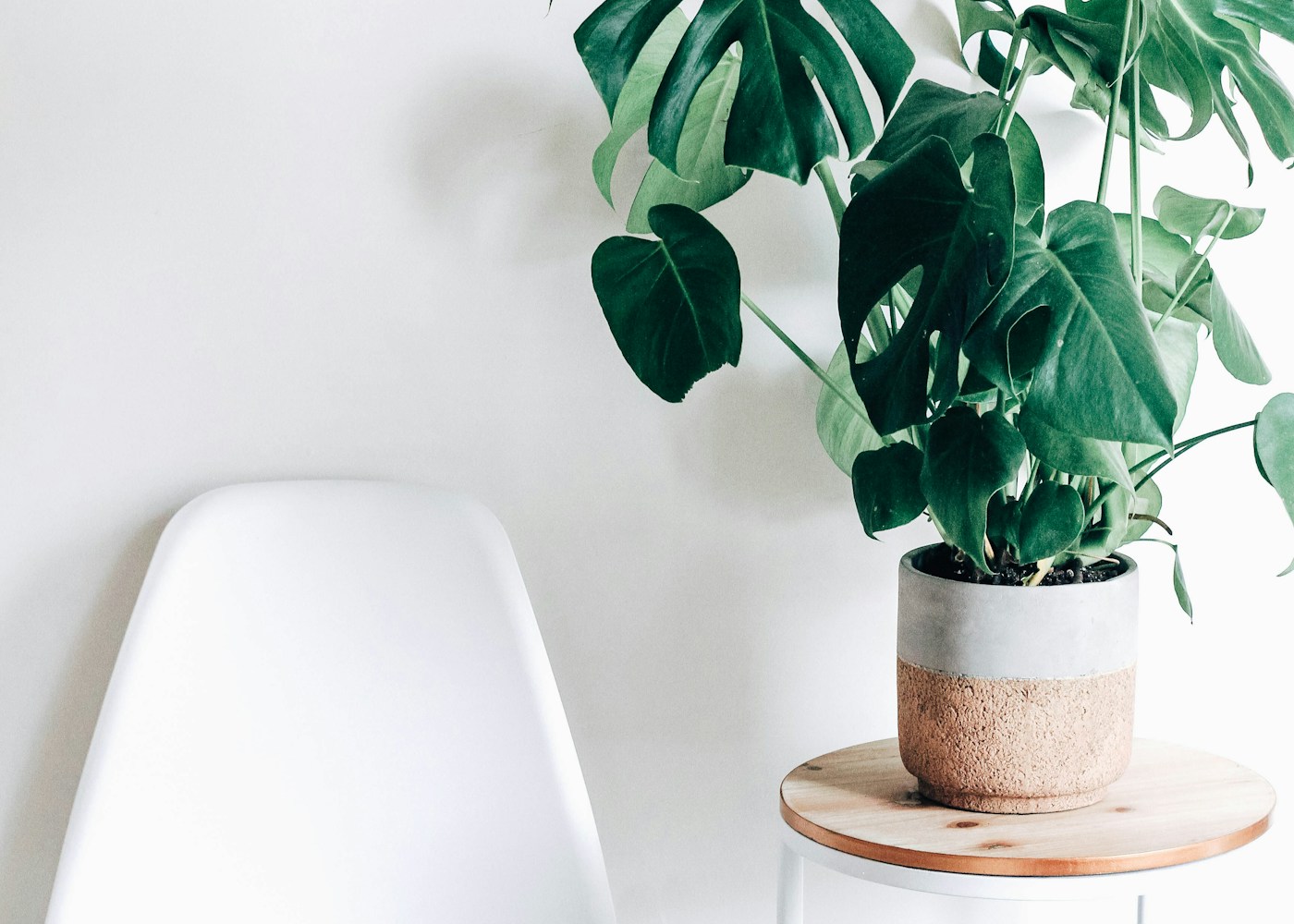
A small Monstera deliciosa can look wonderfully manageable at the shop. Give it a few growing seasons and its real character appears: a climbing stem, reaching roots, and leaves that need space on both sides.
 A little greener, every day.
From a first pothos to a much-loved monstera, learn how to help indoor plants settle in.
A small Monstera deliciosa can look wonderfully manageable at the shop. Give it a few growing seasons and its real character appears: a climbing stem, reaching roots, and leaves that need space on both sides.
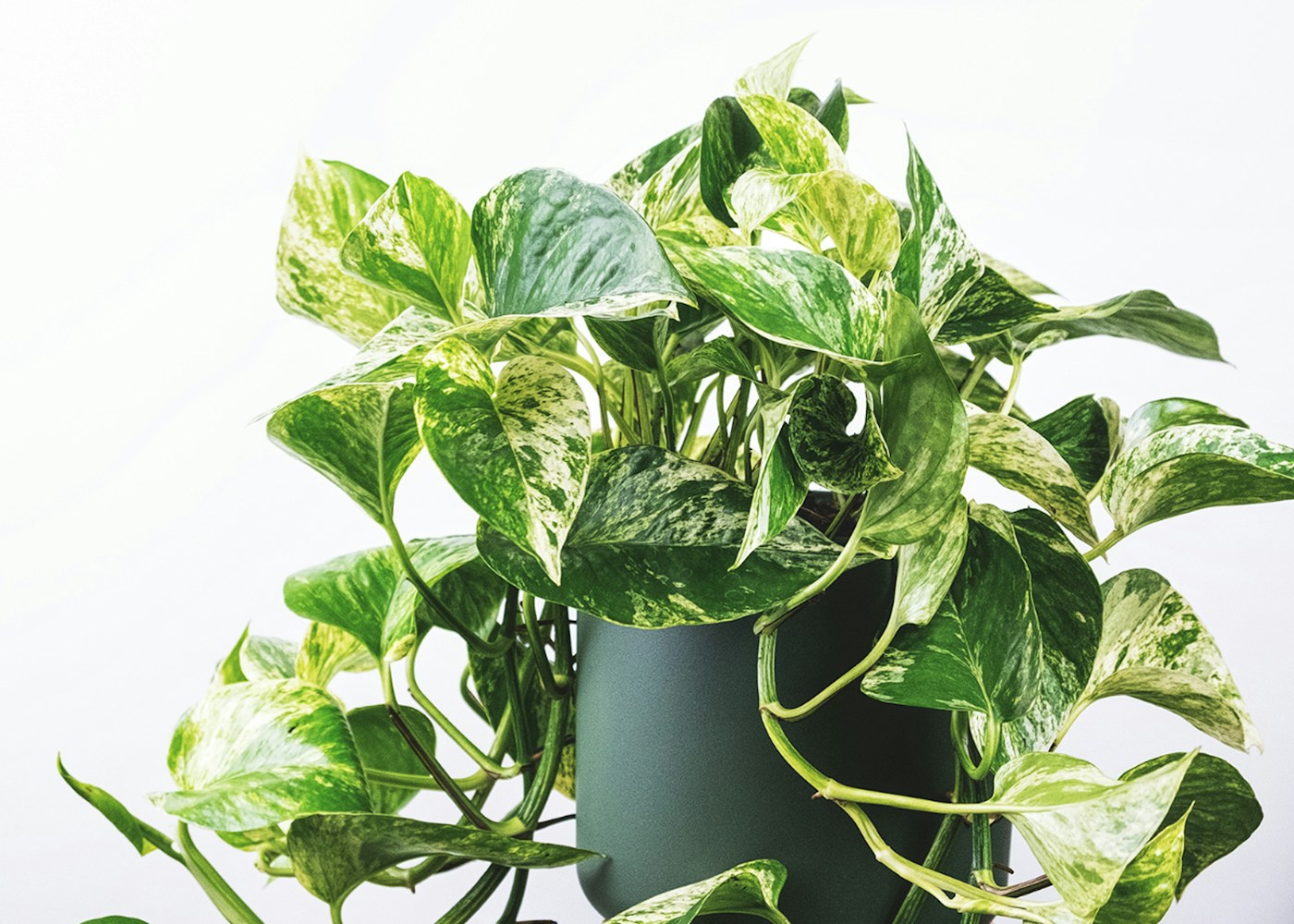
Pothos is often sold as a plant that will put up with almost anything.
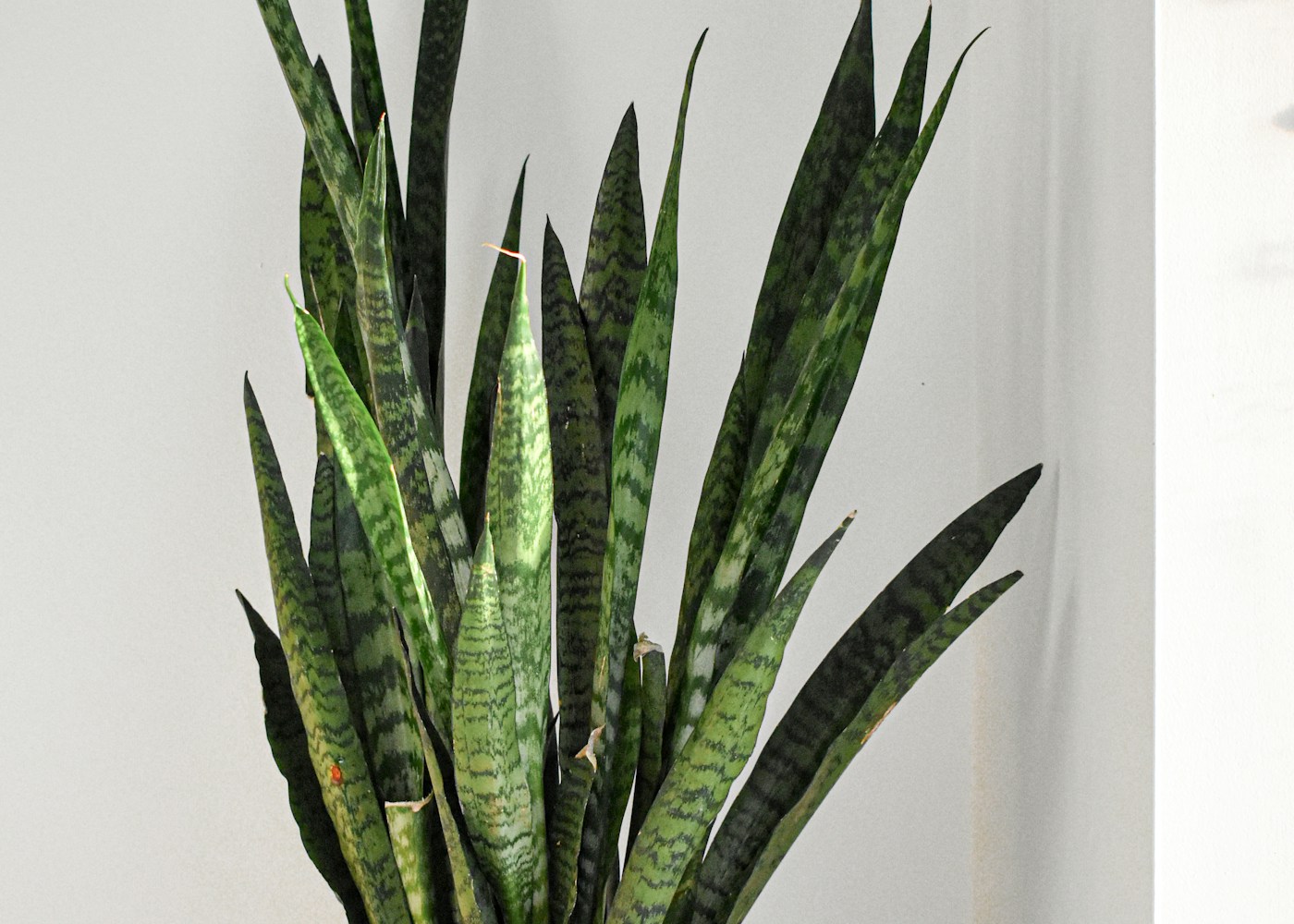
A snake plant is forgiving of a missed watering, which is not the same as enjoying a dark, permanently damp pot.
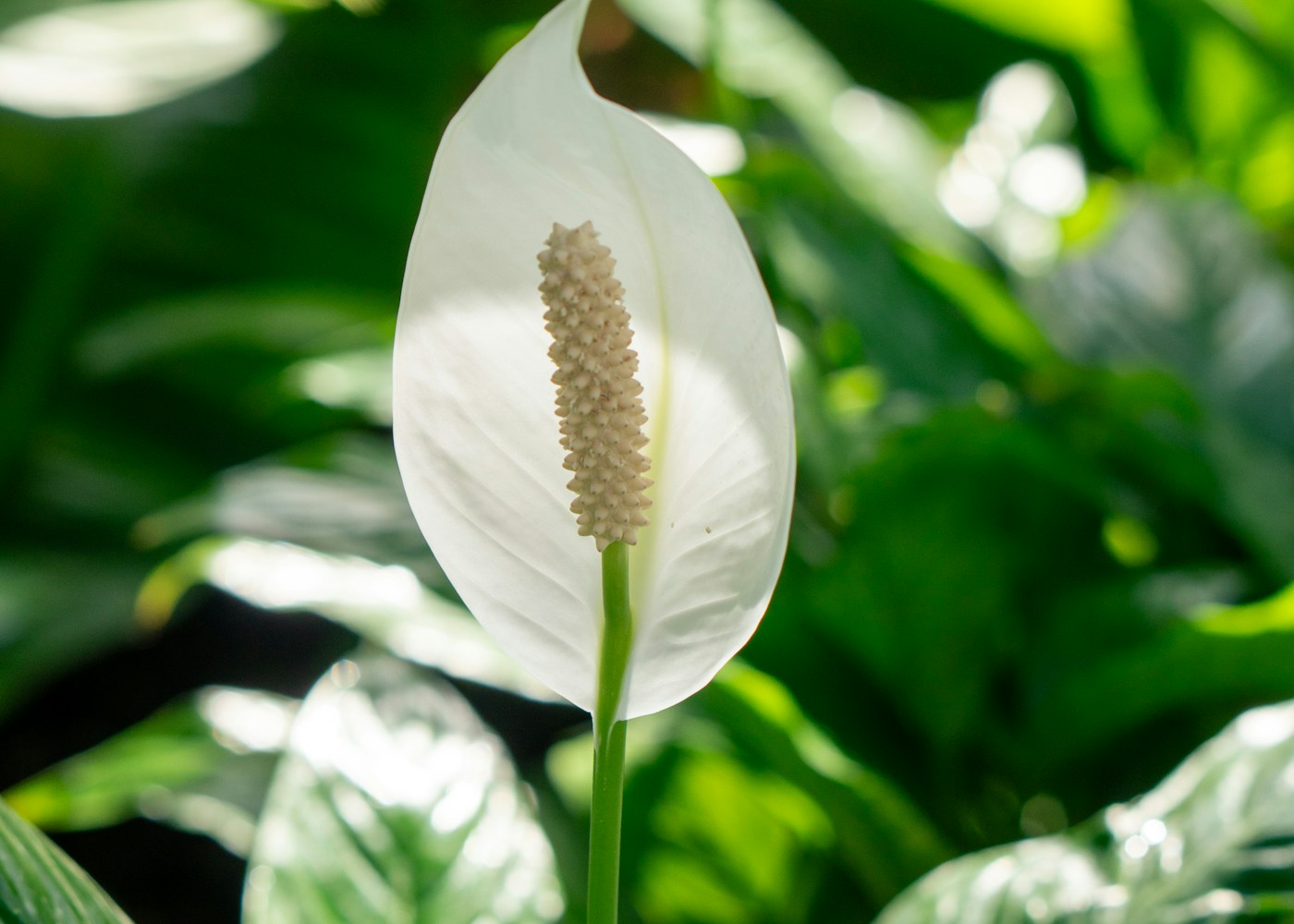
A peace lily can go from upright to collapsed with theatrical speed. It is tempting to use that droop as a watering alarm, but a plant with waterlogged or damaged roots can wilt too.
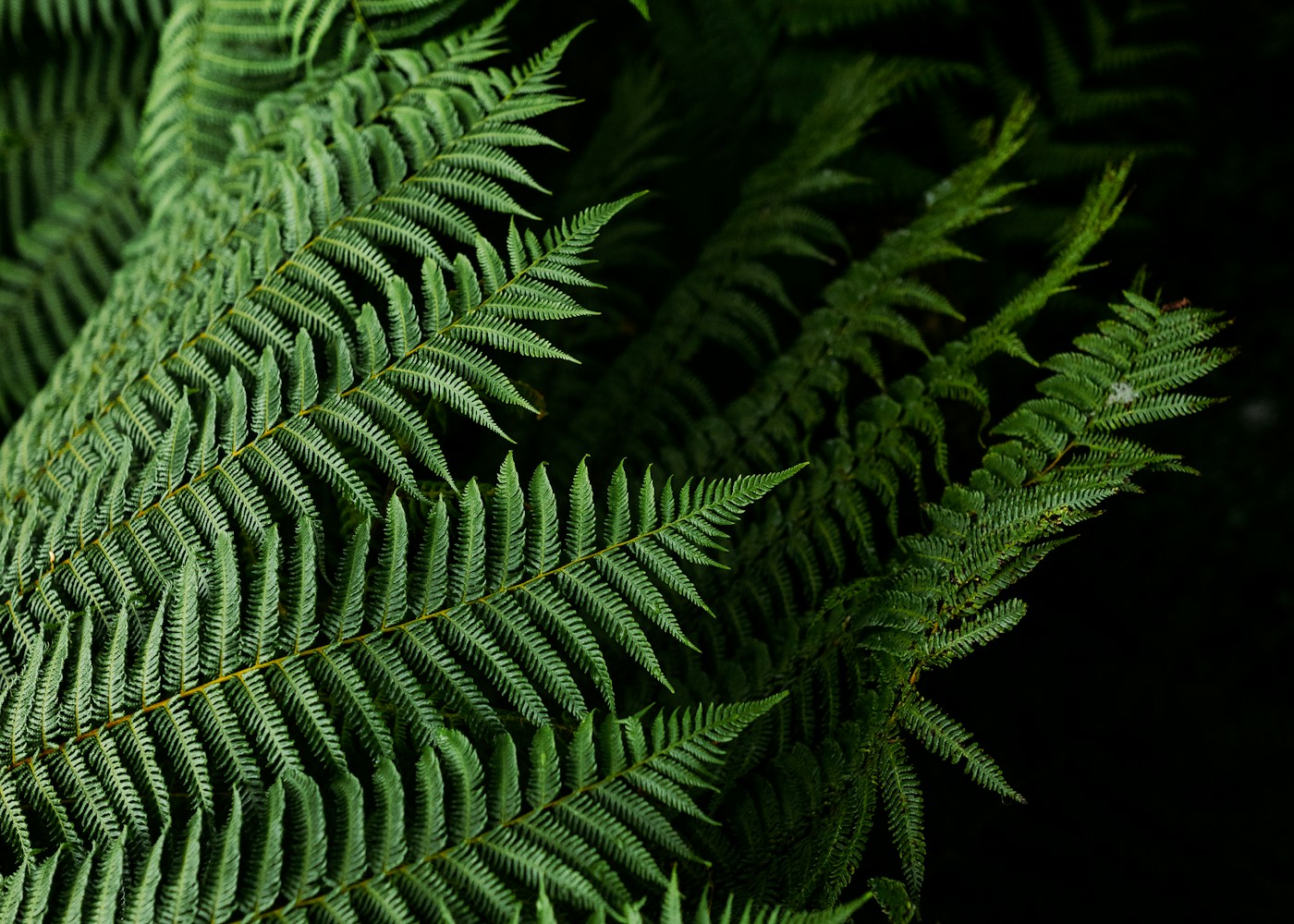
A fern on a bathroom shelf looks effortless in a photograph. In an ordinary home, the bathroom may have very little light, the window may be opened in cold weather, and the plant may dry between showers.
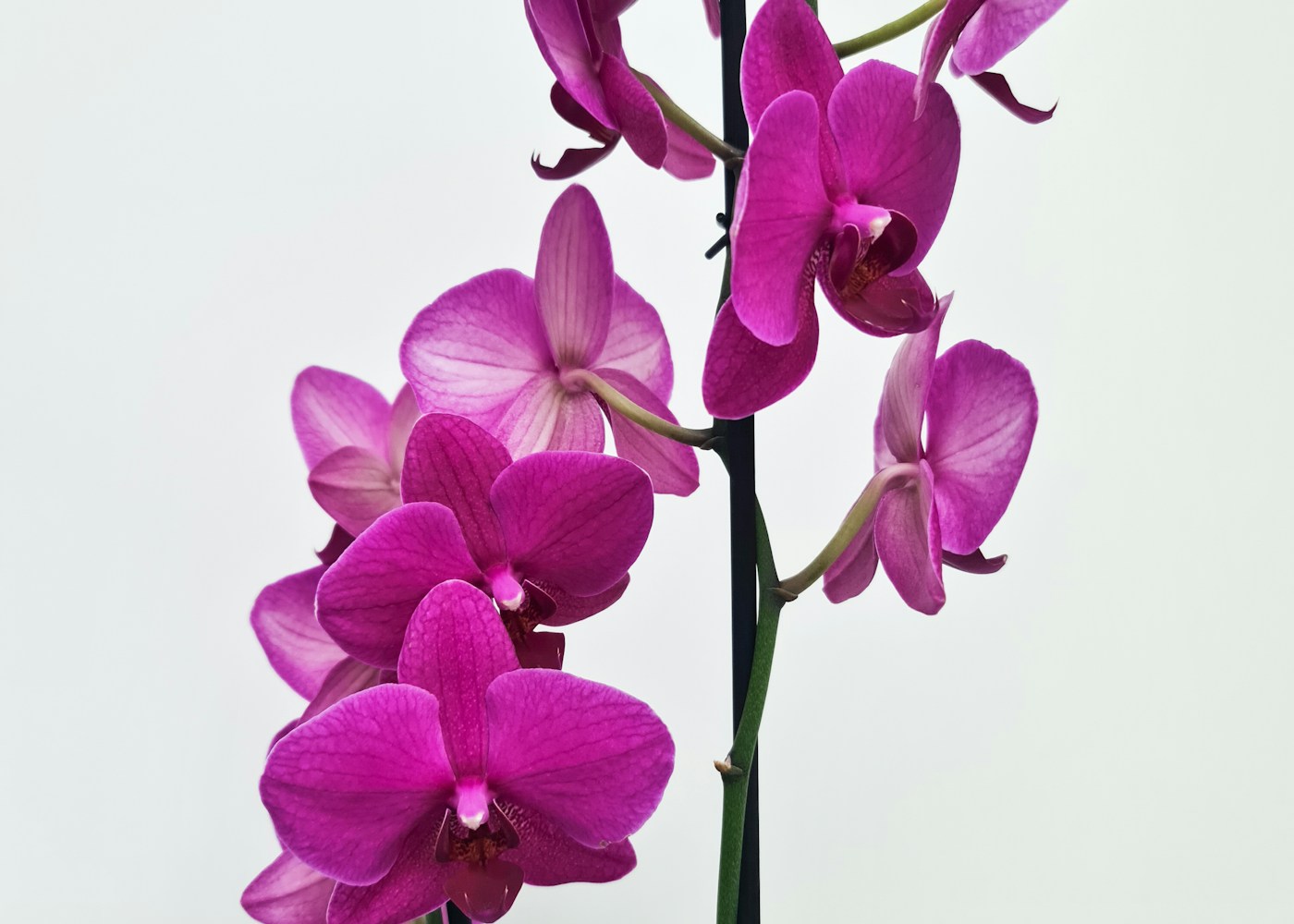
The most useful part of a moth orchid is often the part hidden by its decorative sleeve. Healthy roots tell you more about its future than the number of open flowers at purchase.
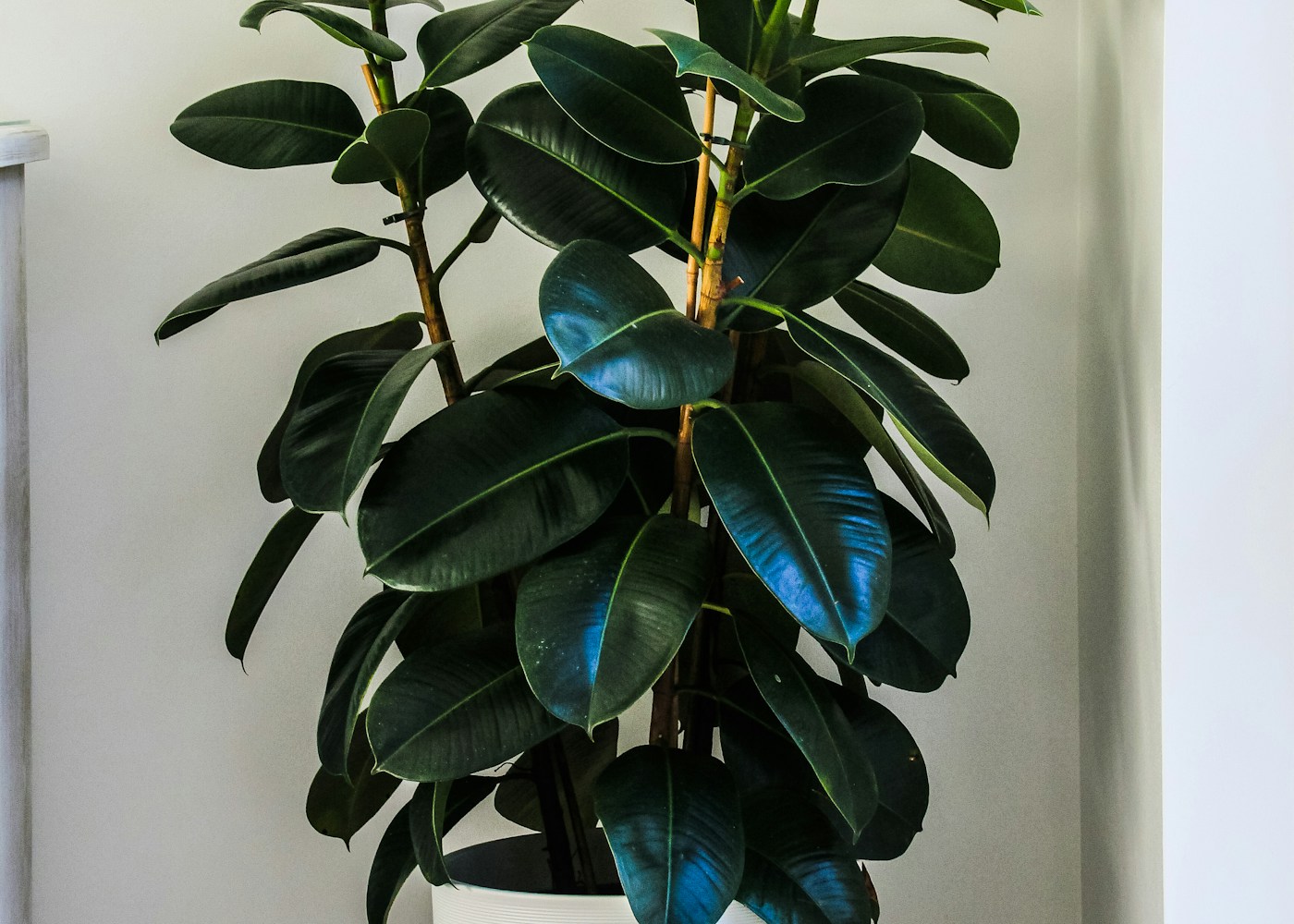
A rubber plant has a clear architectural presence: a strong stem, broad glossy leaves, and enough height to stand on its own. That shape develops best when the light is useful and the root system is stable.
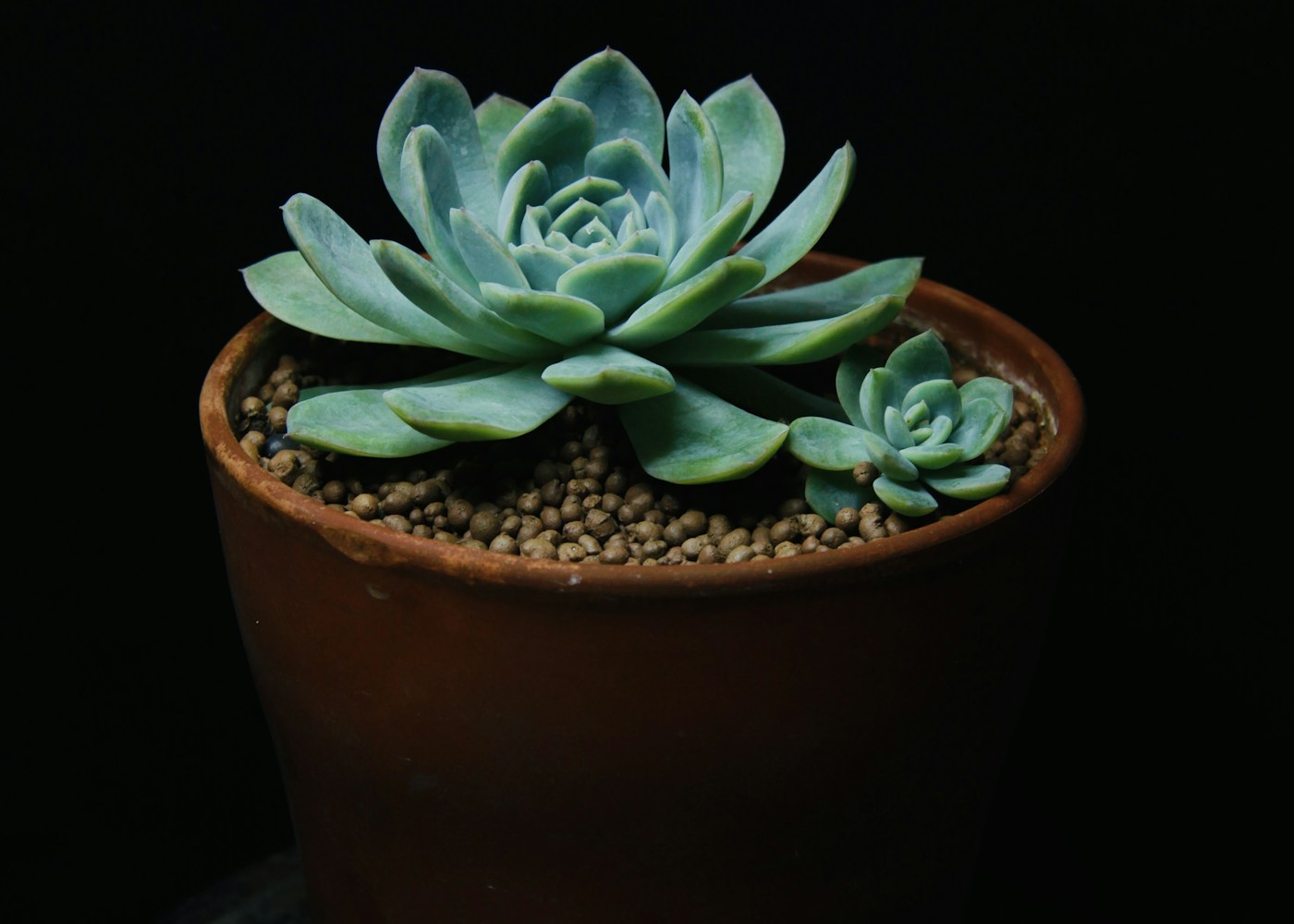
A succulent arrangement can look crisp when it arrives and become stretched within a few months. The change is often about light rather than a lack of fertilizer.
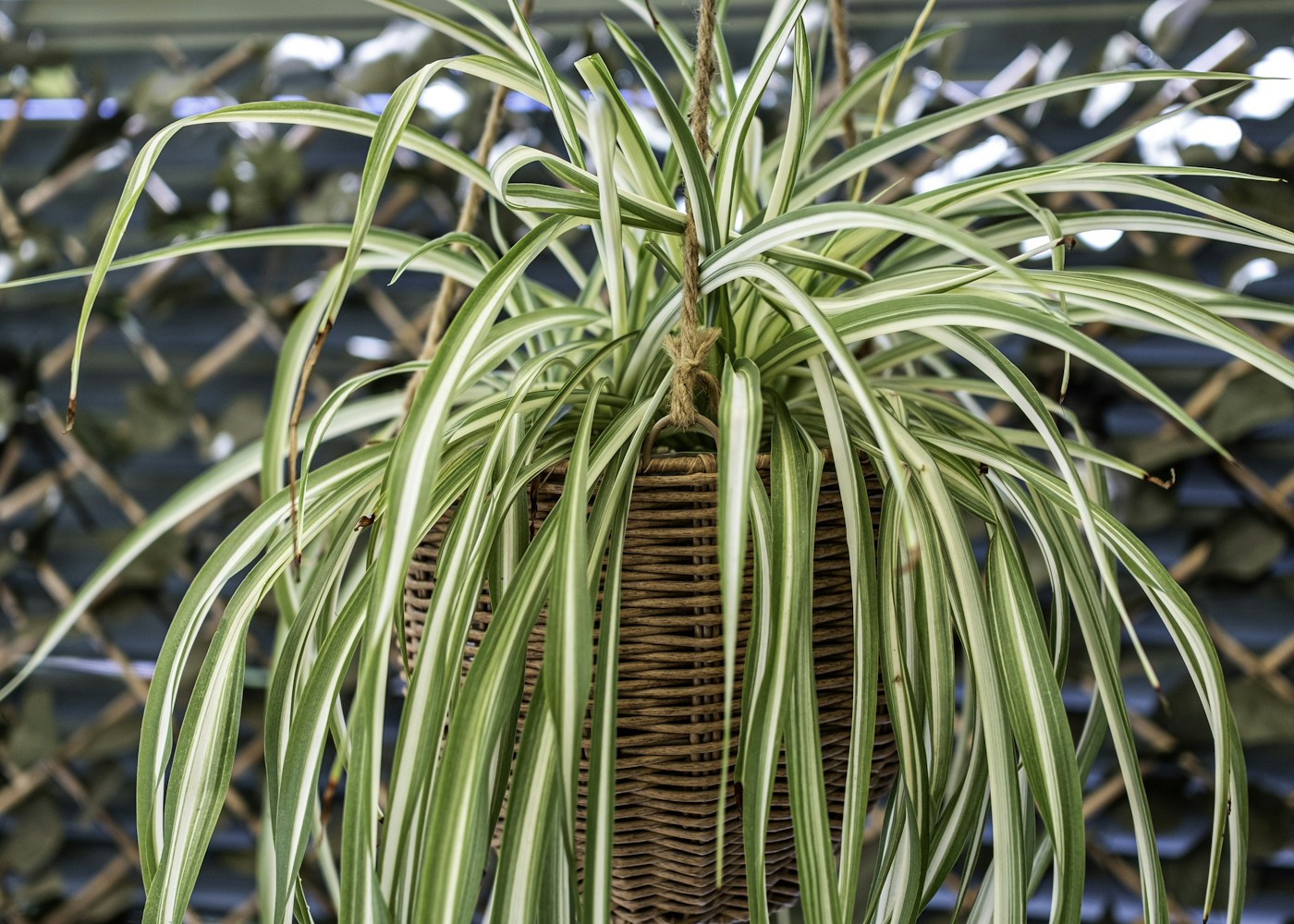
Spider plants offer a satisfying introduction to propagation because the young plants arrive already recognizable.
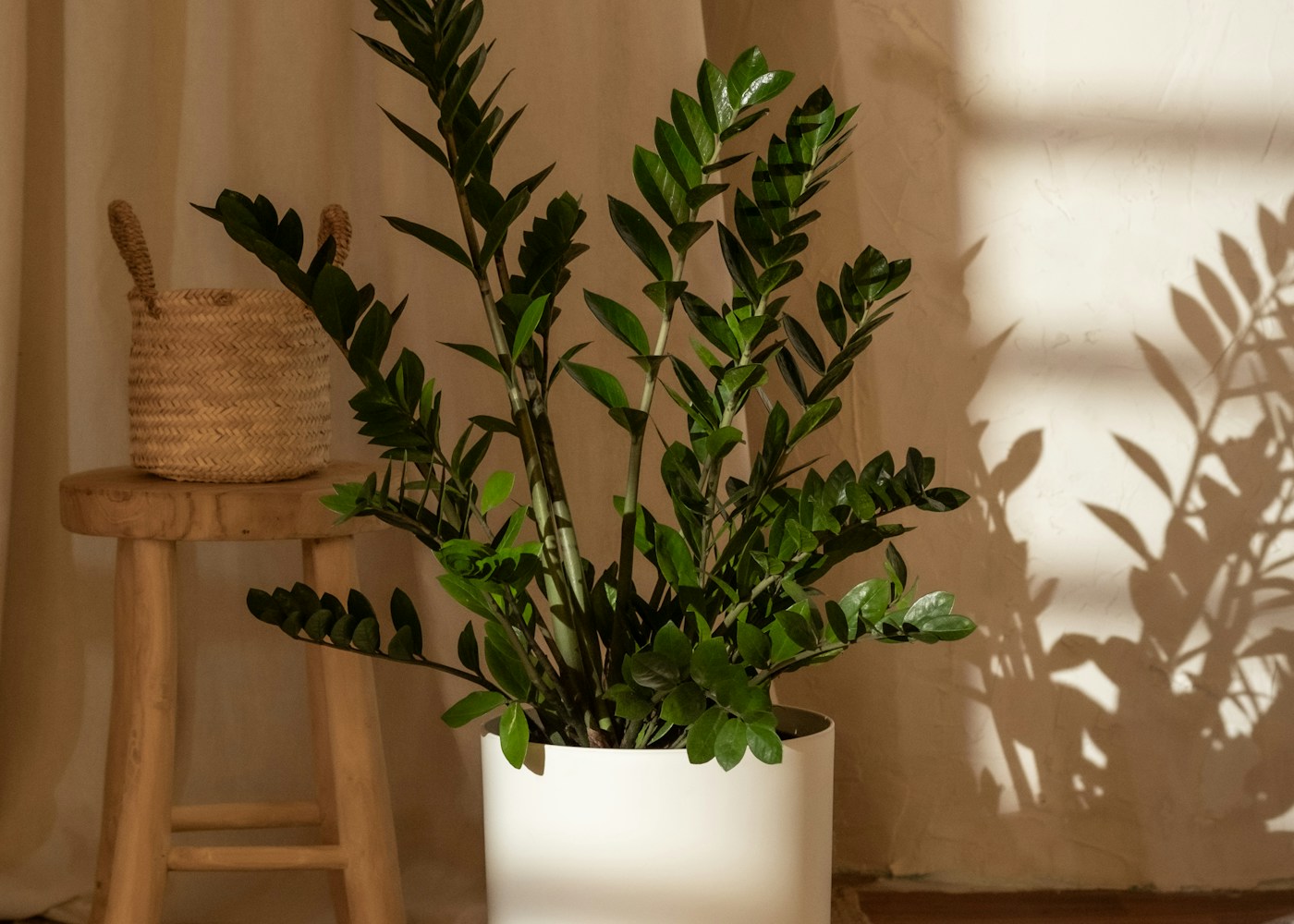
A ZZ plant can spend a long time looking unchanged and then produce a surprising flush of new stems. That pause is part of its appeal in a home, but it can also lead an attentive owner to interfere too often.