Cut-and-Come-Again Lettuce Without Exhausting the Plants
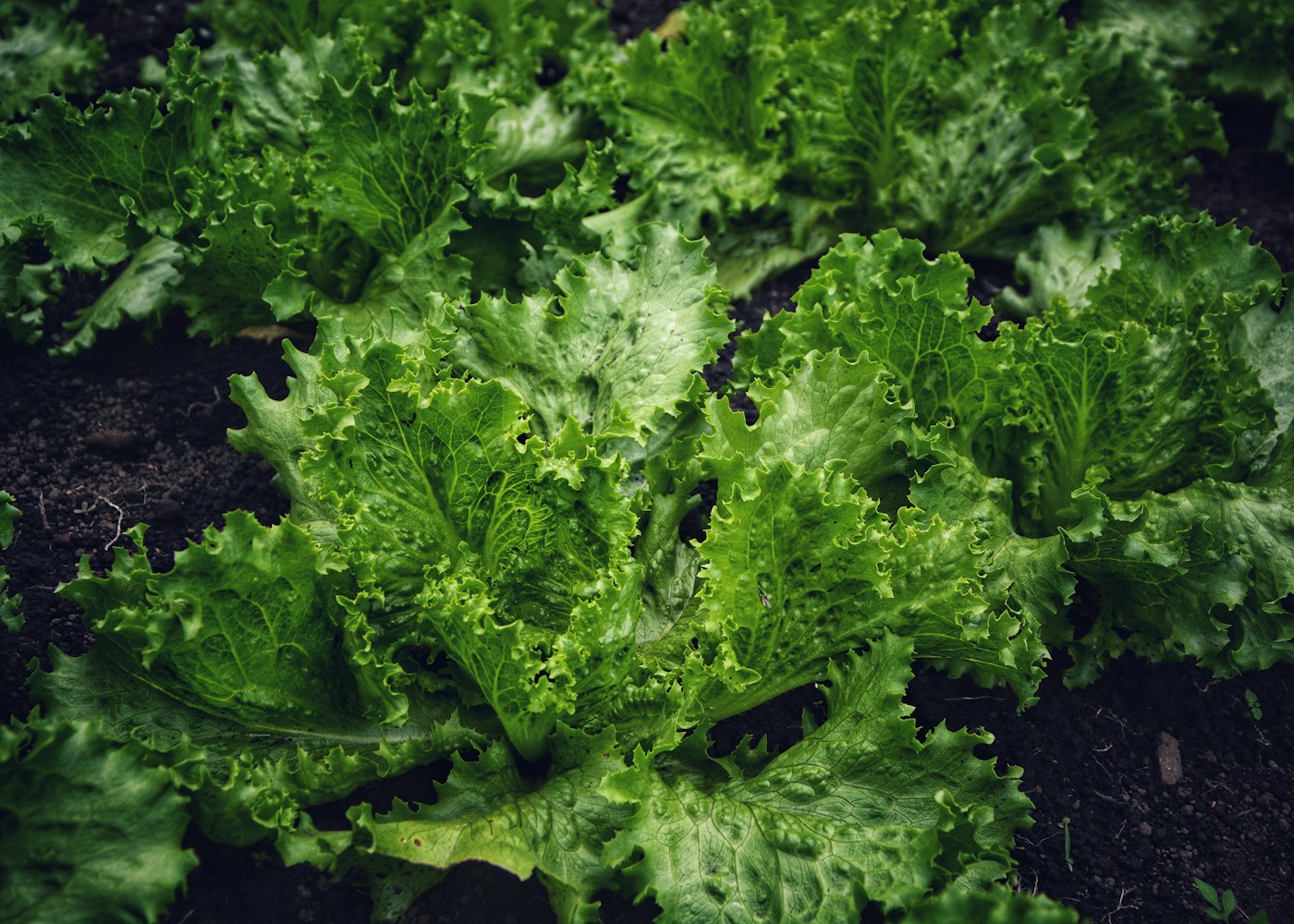
The first bowl of lettuce is rarely the difficult part. The challenge is keeping enough healthy leaves on the plants to produce the next bowl.
 A little greener, every day.
Practical guides to sowing, growing container vegetables and herbs, and picking fresh food from a small garden.
The first bowl of lettuce is rarely the difficult part. The challenge is keeping enough healthy leaves on the plants to produce the next bowl.
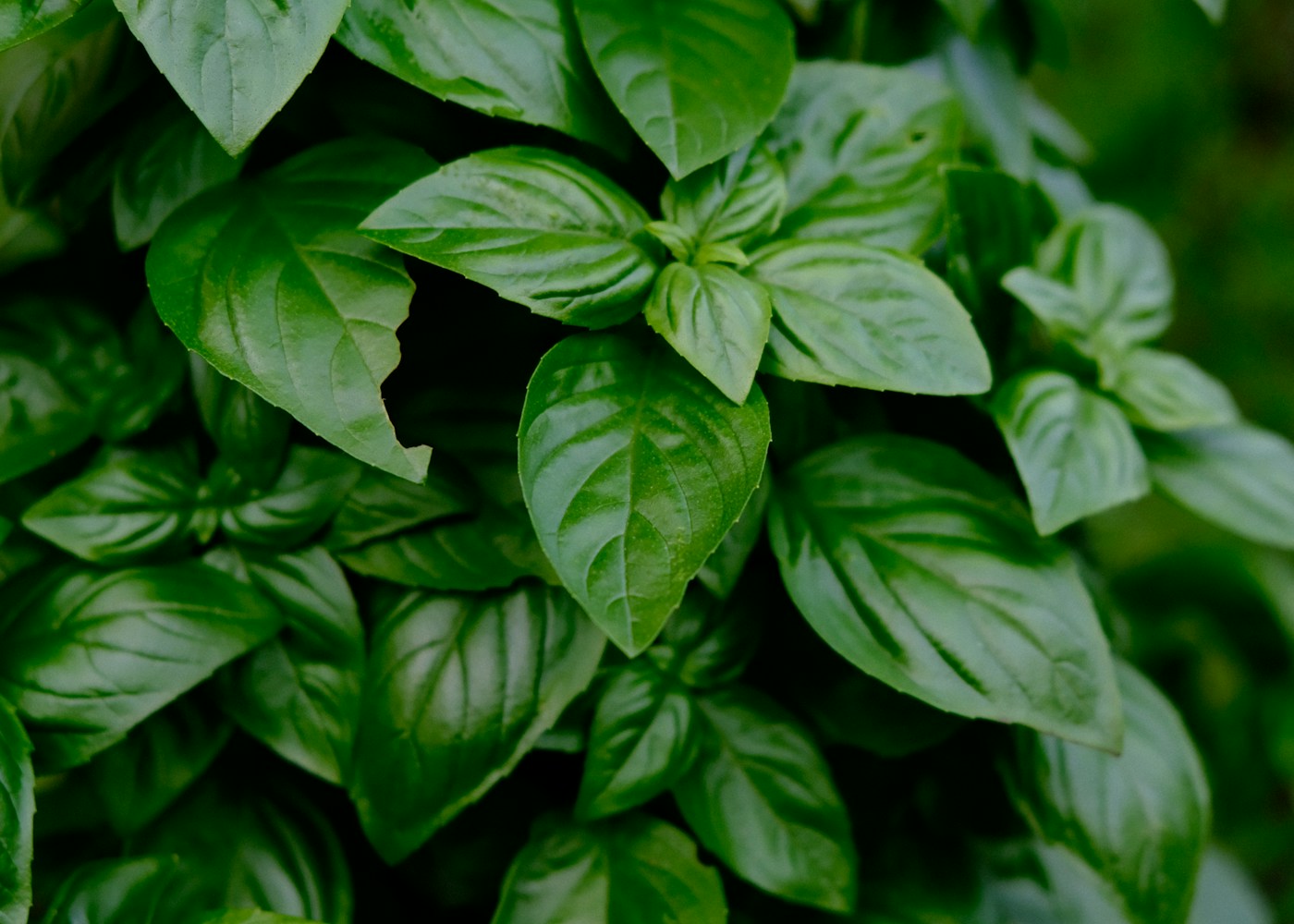
A supermarket pot of basil looks generous because it often contains many seedlings pressed together. Left that way, the stems compete, the mix dries unpredictably, and a large first picking can leave almost nothing.
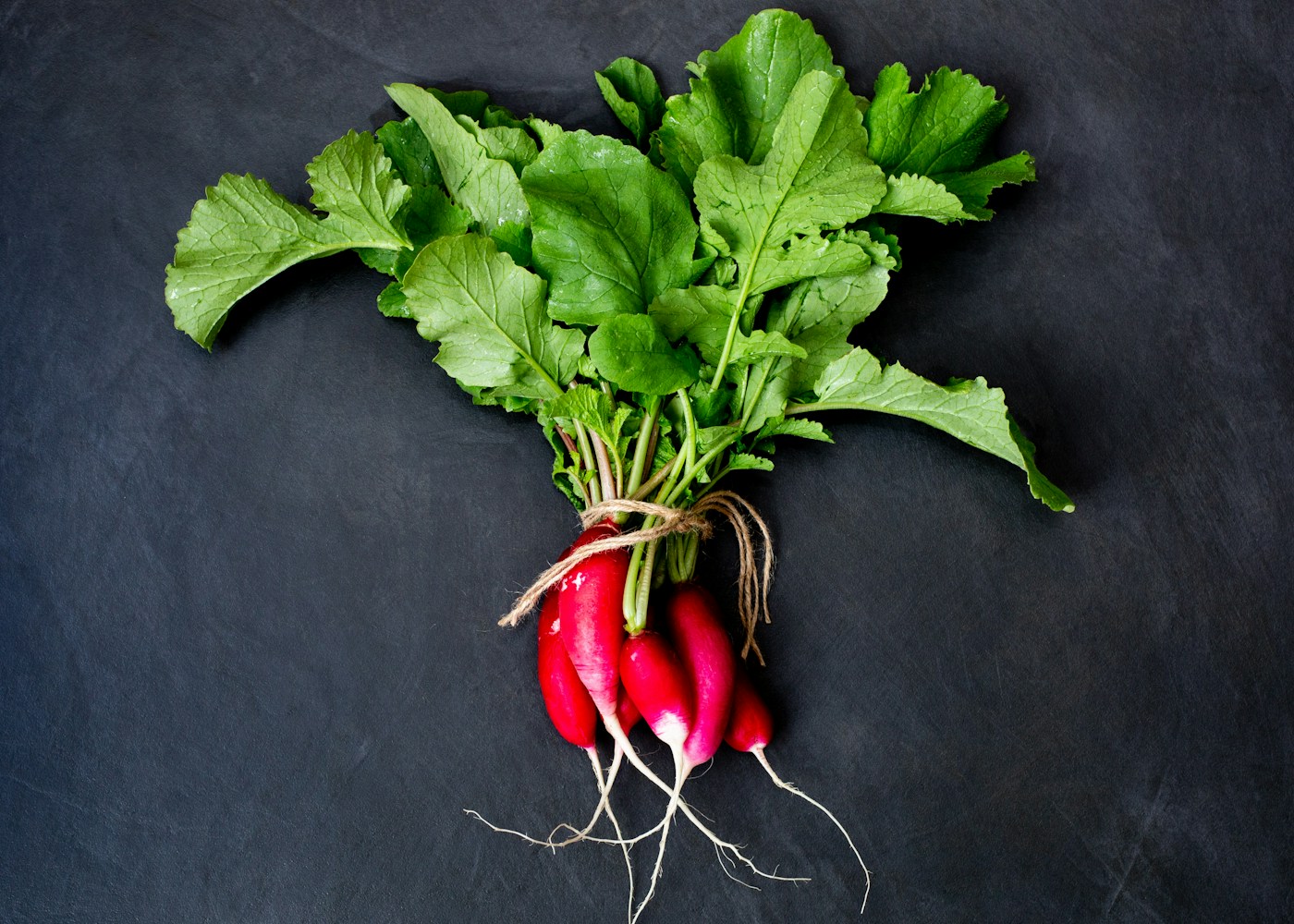
Radishes are quick, but quick does not mean automatic. A crowded row can produce impressive leaves and very little root.
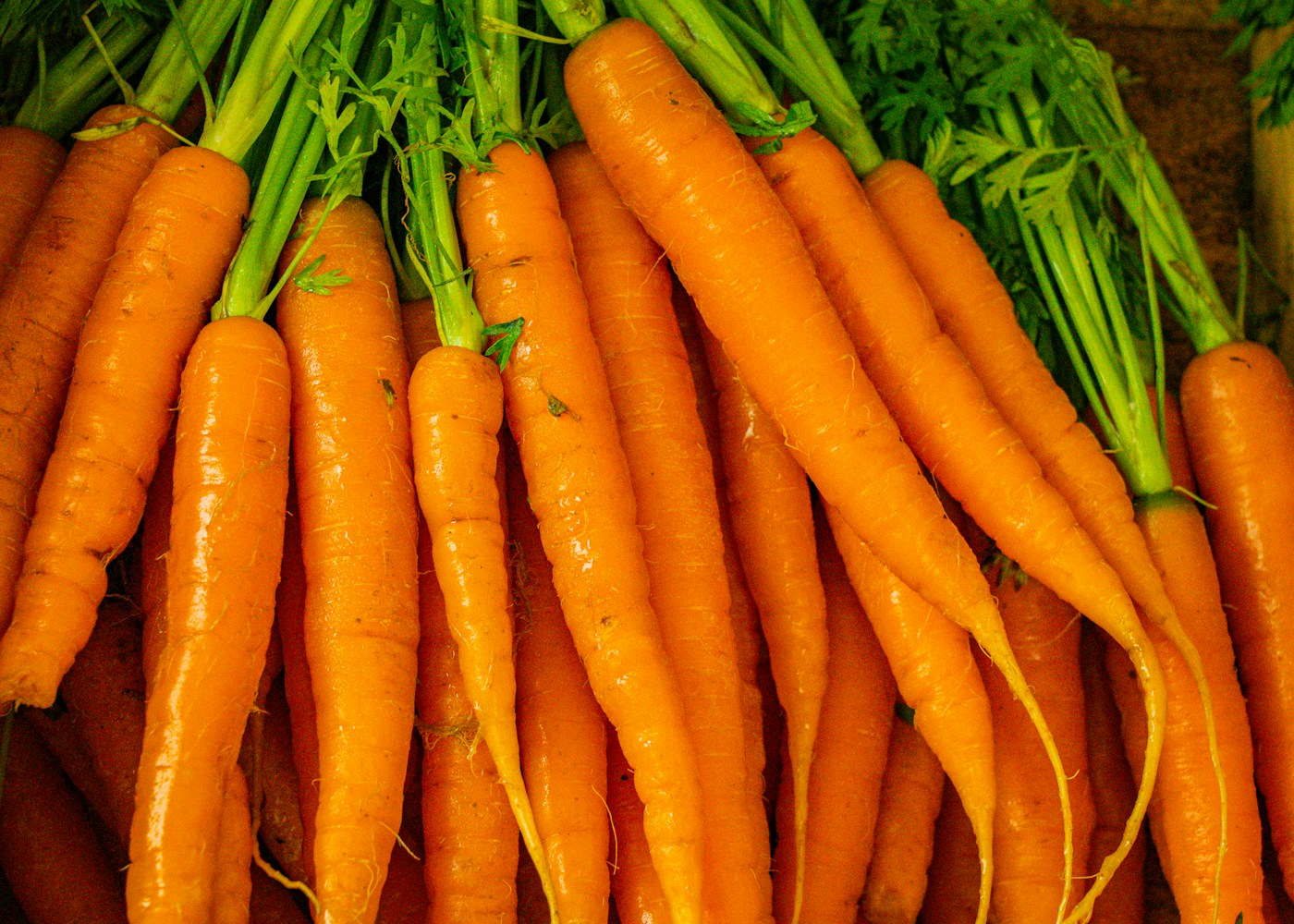
A carrot container has an advantage over many garden beds: its growing medium can be relatively free of stones and compacted clods.
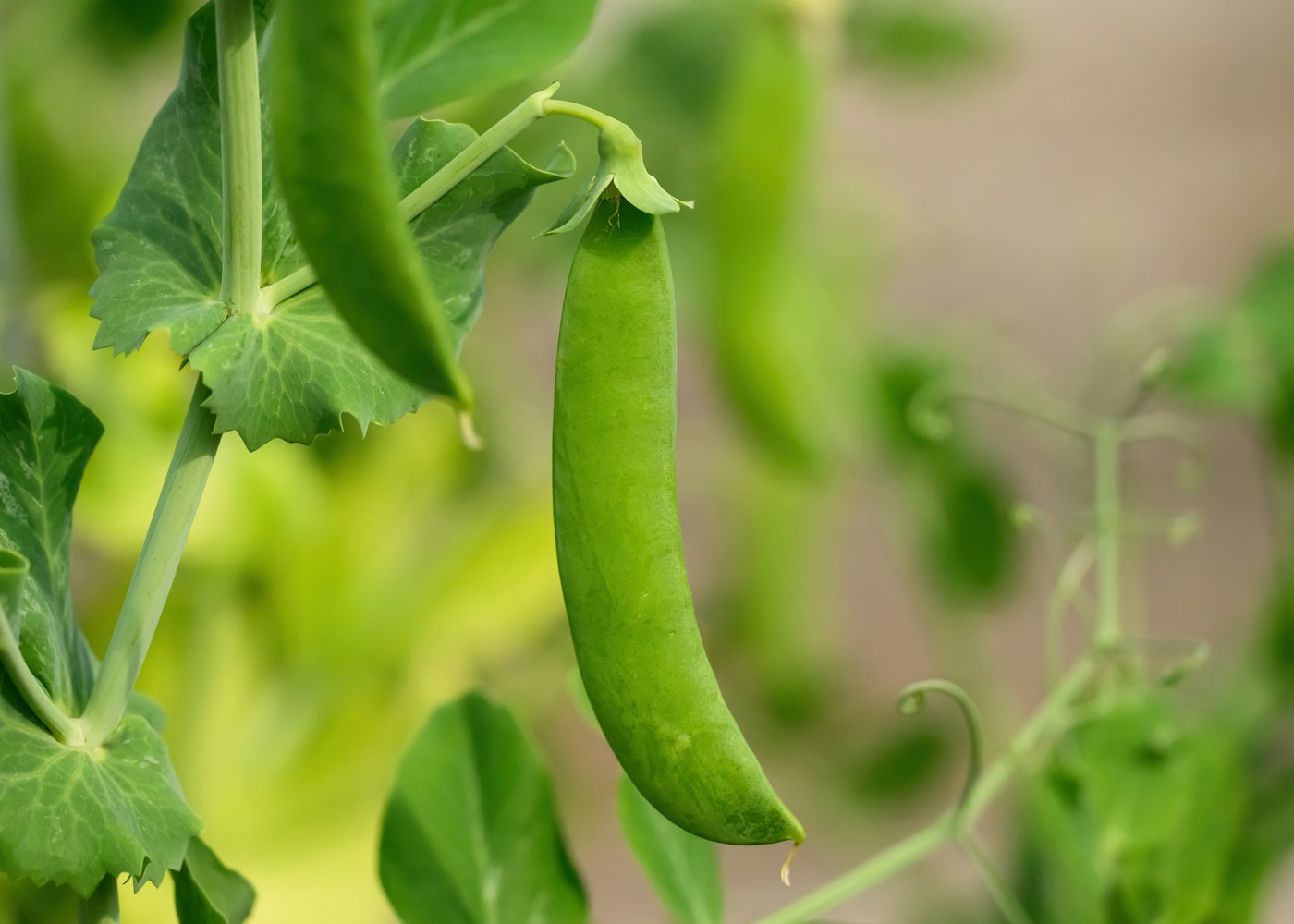
Peas tend to be planned as a packet of seeds and remembered later as a tangle of stems. In a small garden, support, access, and harvest type deserve attention first.
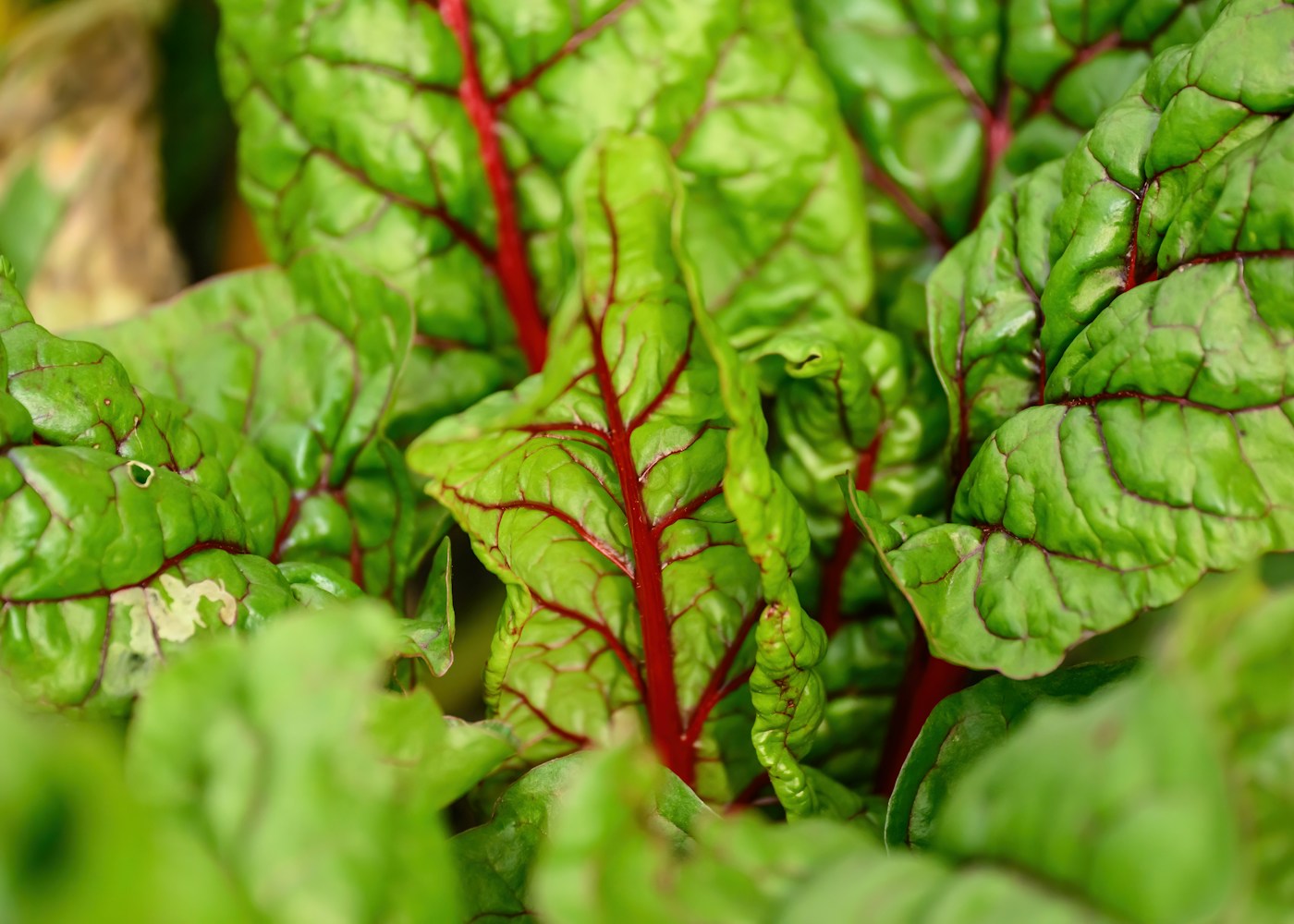
Chard can be a generous crop, but it is not a miniature plant. Its broad leaves and thick stalks need space even when a seedling looks small.
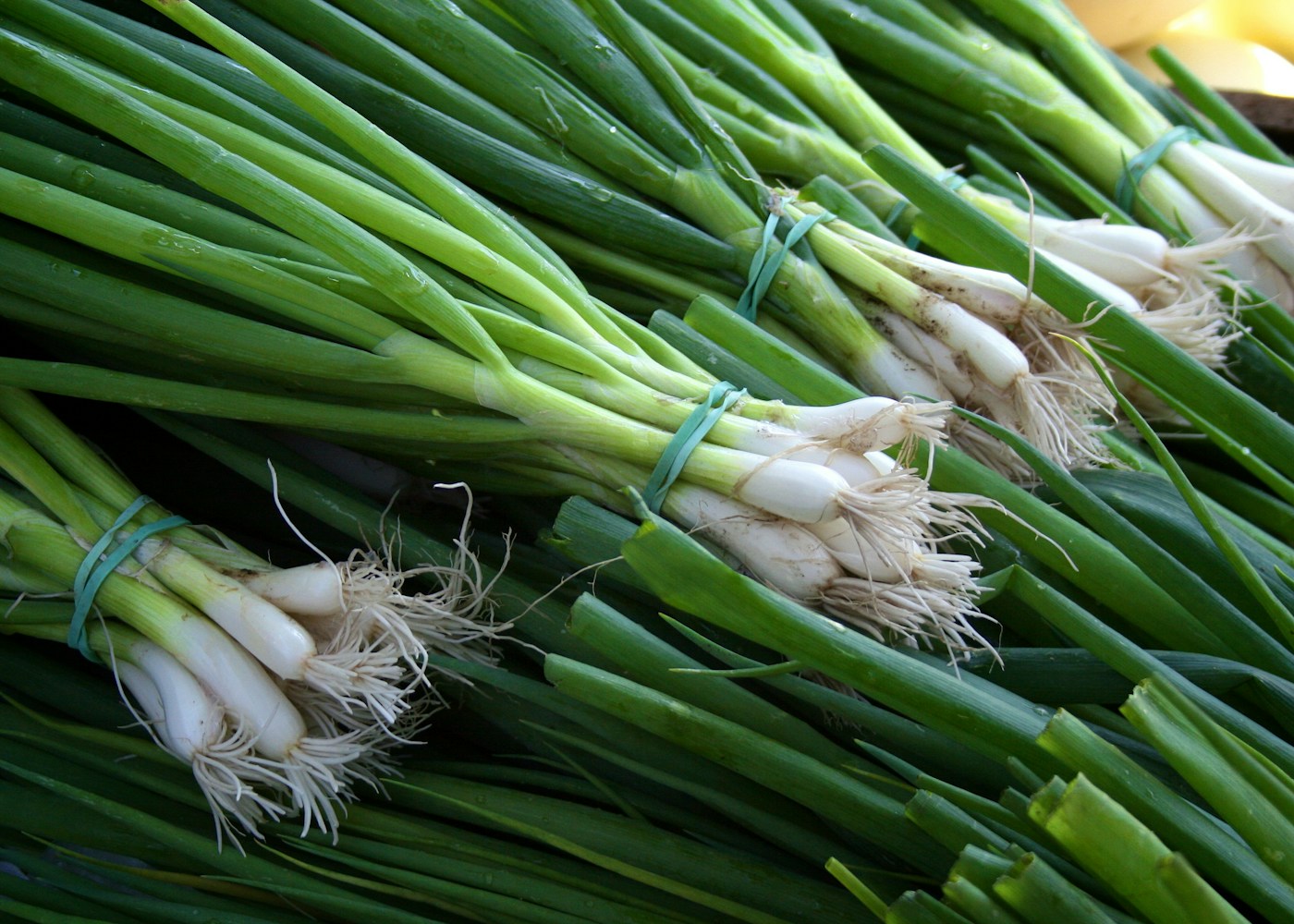
Spring onions suit a small harvest basket because the useful part arrives in slim portions. They do not need to become large bulbs before they reach the kitchen.
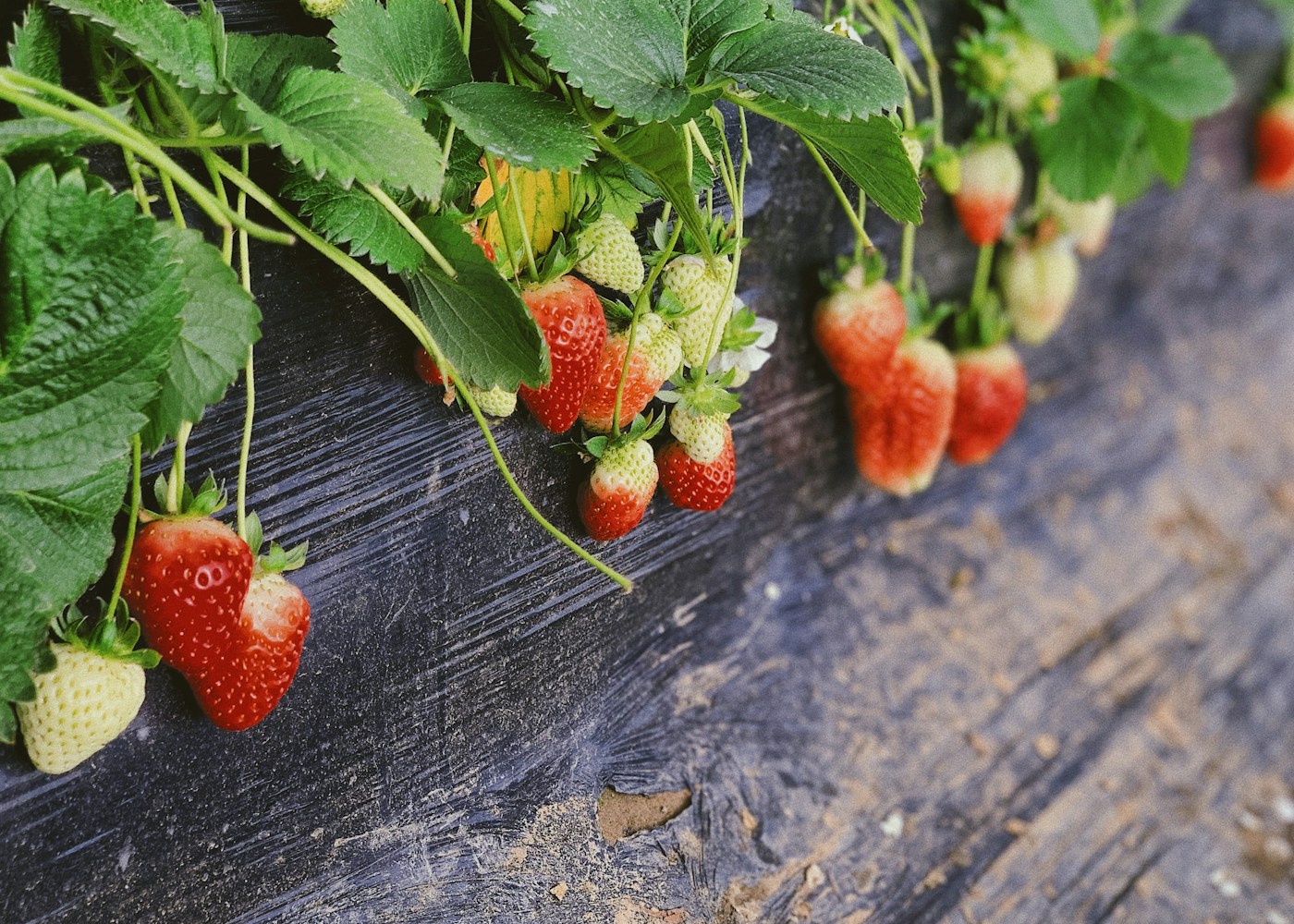
A strawberry plant places its future growth in a small crown between leaves and roots. Bury that crown too deeply and problems begin; leave roots exposed and the plant struggles for a different reason.
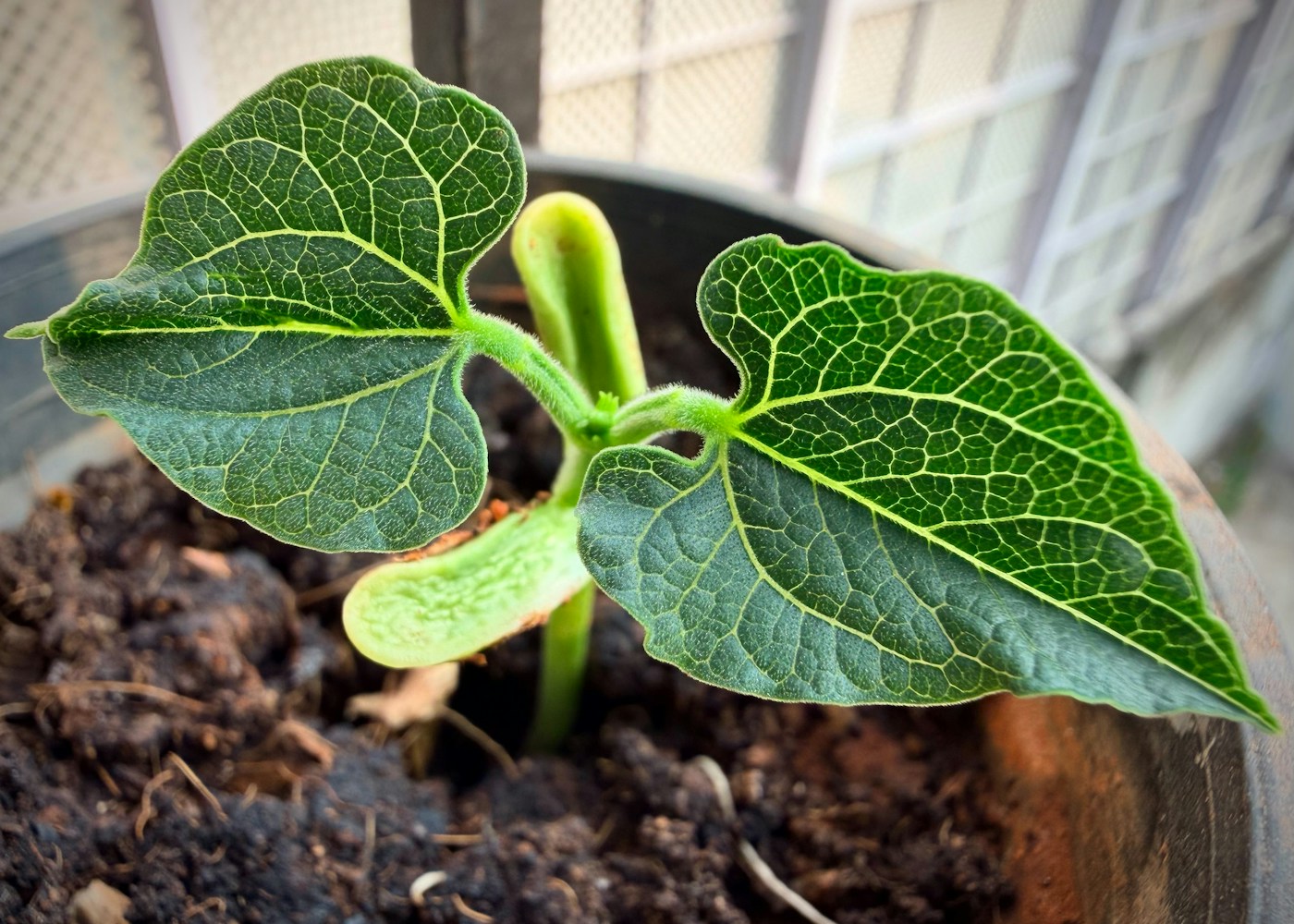
Bush beans avoid the towering support of climbing types, but they still need meaningful root space and steady moisture. A small seedling can become a broad plant with pods hidden beneath its leaves.
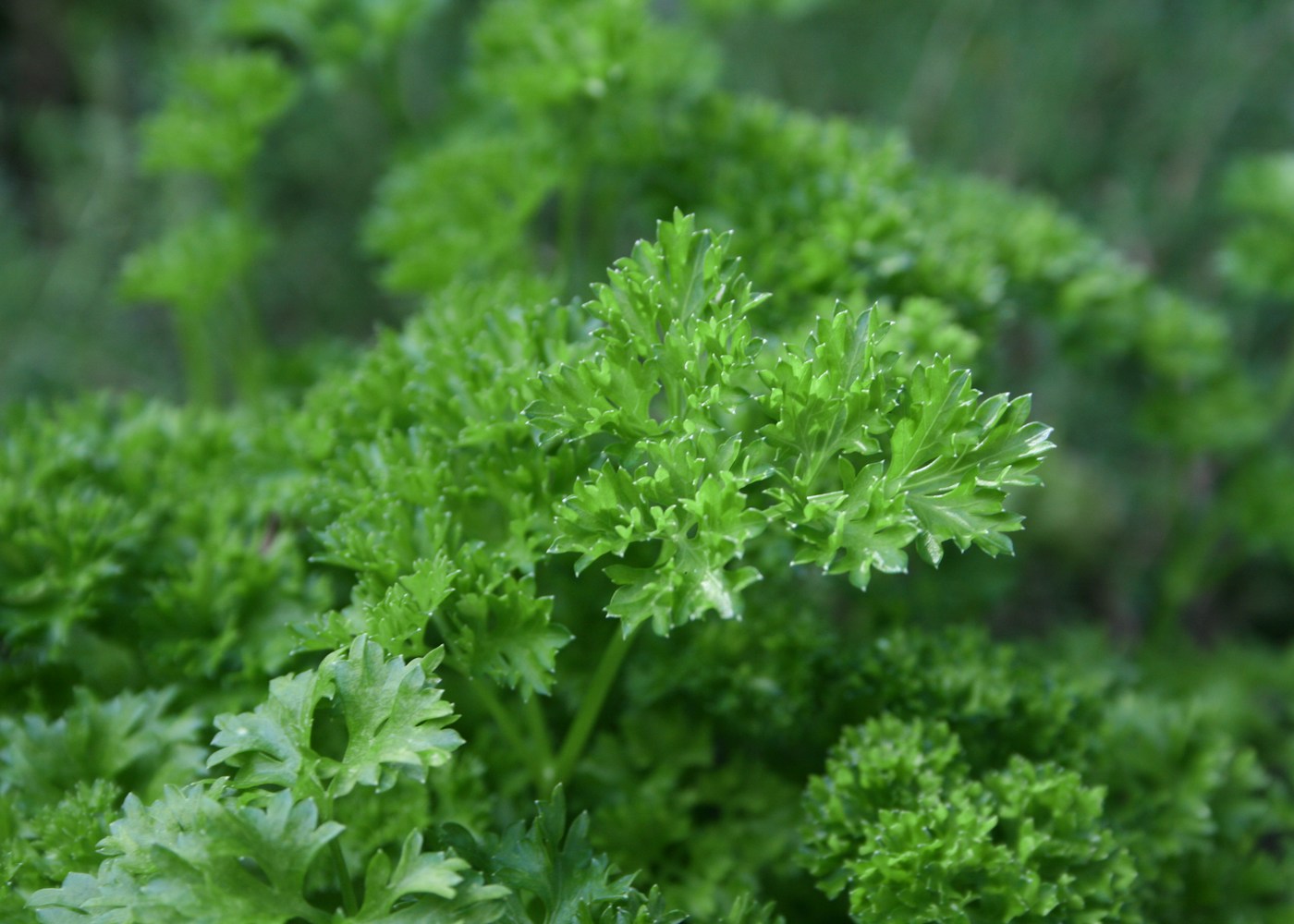
Parsley asks for patience before it asks for much harvesting. Its seedlings can appear slowly, leaving a pot that looks empty while other herbs are already growing.