A practical place to begin
Bush beans avoid the towering support of climbing types, but they still need meaningful root space and steady moisture. A small seedling can become a broad plant with pods hidden beneath its leaves. Plan enough room to harvest without snapping stems, and sow when warmth makes establishment straightforward.
Choose a named bush French or snap bean variety, rather than assuming every bean packet describes a compact plant. Grow enough plants for useful pickings while leaving space for air and access.
Choose the position and prepare
Find a warm sunny location sheltered from severe wind. Avoid placing the pot where taller summer crops will soon shade it. Beans in a permanently cool dim corner are unlikely to repay extra feeding.
Use a large draining container, fresh edible-crop growing medium, labels, and light support if the selected variety benefits from it. A broad base helps prevent the mature plant from toppling.
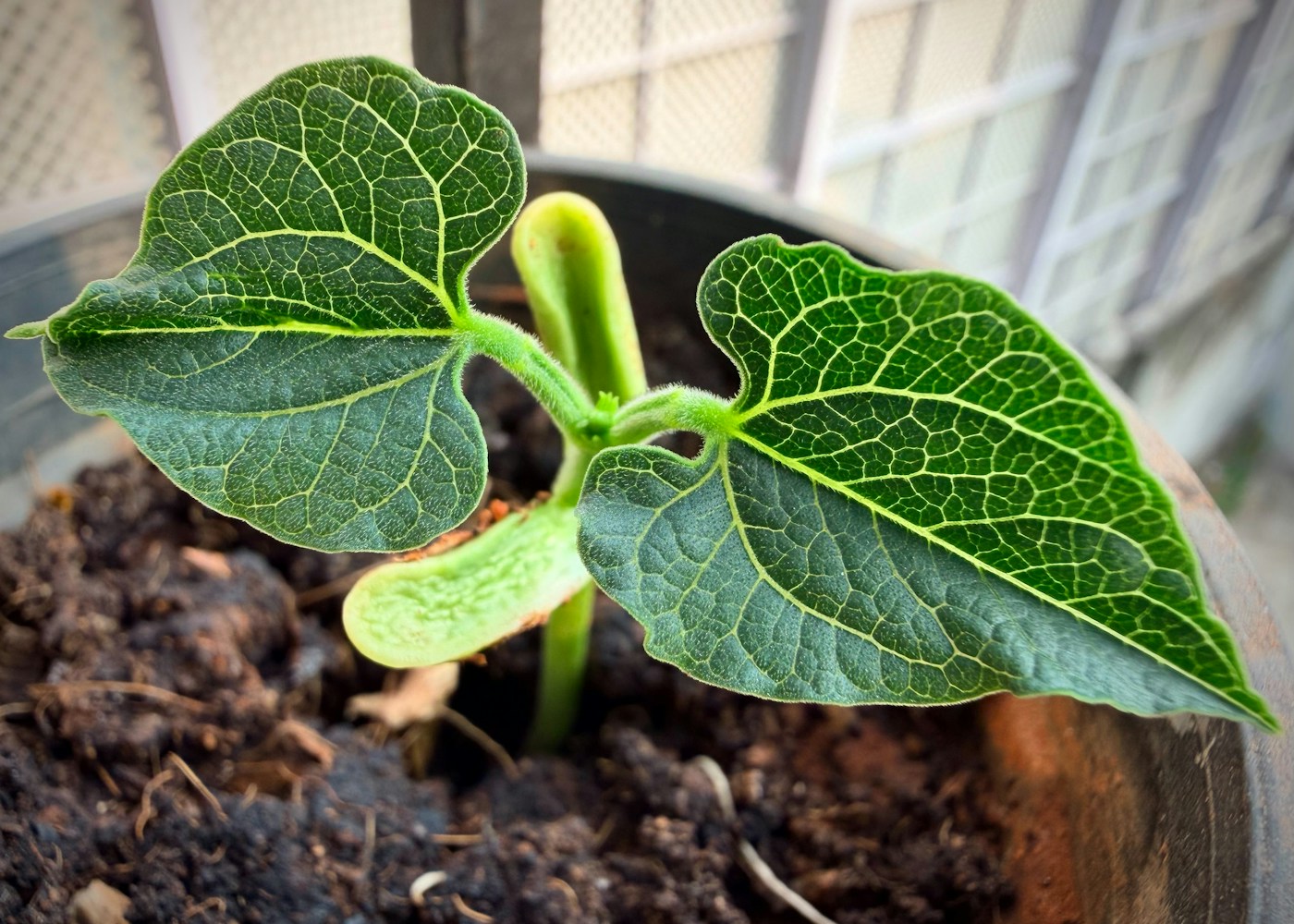
Sow at packet depth once the medium and local weather are suitably warm. Cold wet conditions can spoil seed. If starting in modules, transplant while young and handle the root ball carefully.
A manageable care routine
Keep moisture even as flowers and pods form. Water the growing medium thoroughly and allow drainage. Avoid swinging between a bone-dry pot and an overflowing saucer, particularly during hot windy weather.
Do not assume nitrogen-fixing beans need no nutrition, but avoid excessive nitrogen that favours foliage. Start with a suitable mix and follow balanced local recommendations. Feed only at the label rate if supplementation is needed.
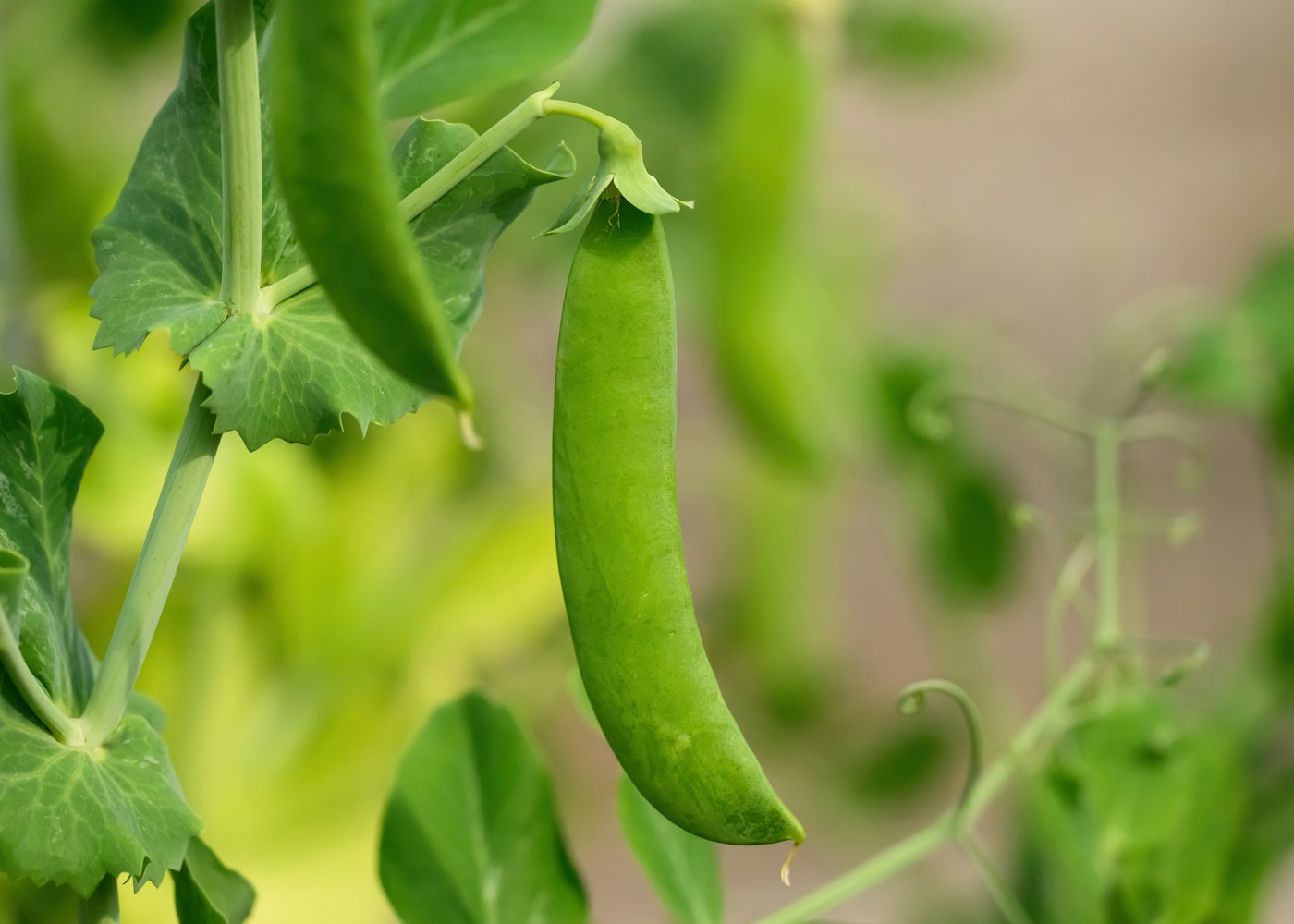
Pick pods at the tender stage appropriate to the variety and support the stem with the other hand. Search beneath leaves without wrenching the plant. Avoid handling wet foliage unnecessarily if disease has been a problem.
Observe before changing the plan
Flowers may drop during heat or other stress; stronger feed is not an automatic answer. Inspect moisture and temperature first. Yellow leaves with a persistently wet pot call for a drainage check before another watering.
Sow two small batches a few weeks apart while the local season allows. Record when each starts and finishes producing useful pods. This can spread harvest more effectively than one large pot planted all at once.
Adapt and renew
Beans are tender warm-season plants, so use local frost and soil-warmth guidance. Later sowings need enough remaining growing time to produce before cold weather. A packet maturity figure cannot account for every cool week.
Harvest only the edible stage and prepare beans appropriately; do not treat raw dried beans as a snack. Clear exhausted plants and record which variety suited the container. A practical harvest schedule matters more than maximum plant density.
Make sure the packet describes a bush plant
Beans include many growth habits and harvest types. A compact bush snap bean is not interchangeable with a climbing bean that needs a tall structure, nor with a crop intended mainly for dried seed. Read the variety description, mature size, and harvest guidance before choosing a pot. The word bean on its own does not define the project.
For a small container crop, choose a named bush variety suited to local conditions. Plan enough plants for a useful picking while leaving room for mature foliage and access. Very small pots often create a cycle of emergency watering as the canopy develops. A larger suitable container can buffer moisture and support a more manageable crop.
Think about the kitchen harvest. Tender pods are usually picked before seeds become overly prominent, according to the variety. If you prefer a different stage, choose a variety intended for that purpose. Keep the packet or label throughout the crop. It helps interpret pod colour, size, and maturity, and avoids judging a useful variety by an expectation that belongs to another kind of bean.
Wait for a genuinely suitable start
Beans are warm-season plants, and cold wet growing medium can spoil establishment. Use local frost and warmth guidance rather than copying a sowing month from another climate. A container in a sunny corner may warm differently from a garden bed, but one warm afternoon does not guarantee settled conditions.
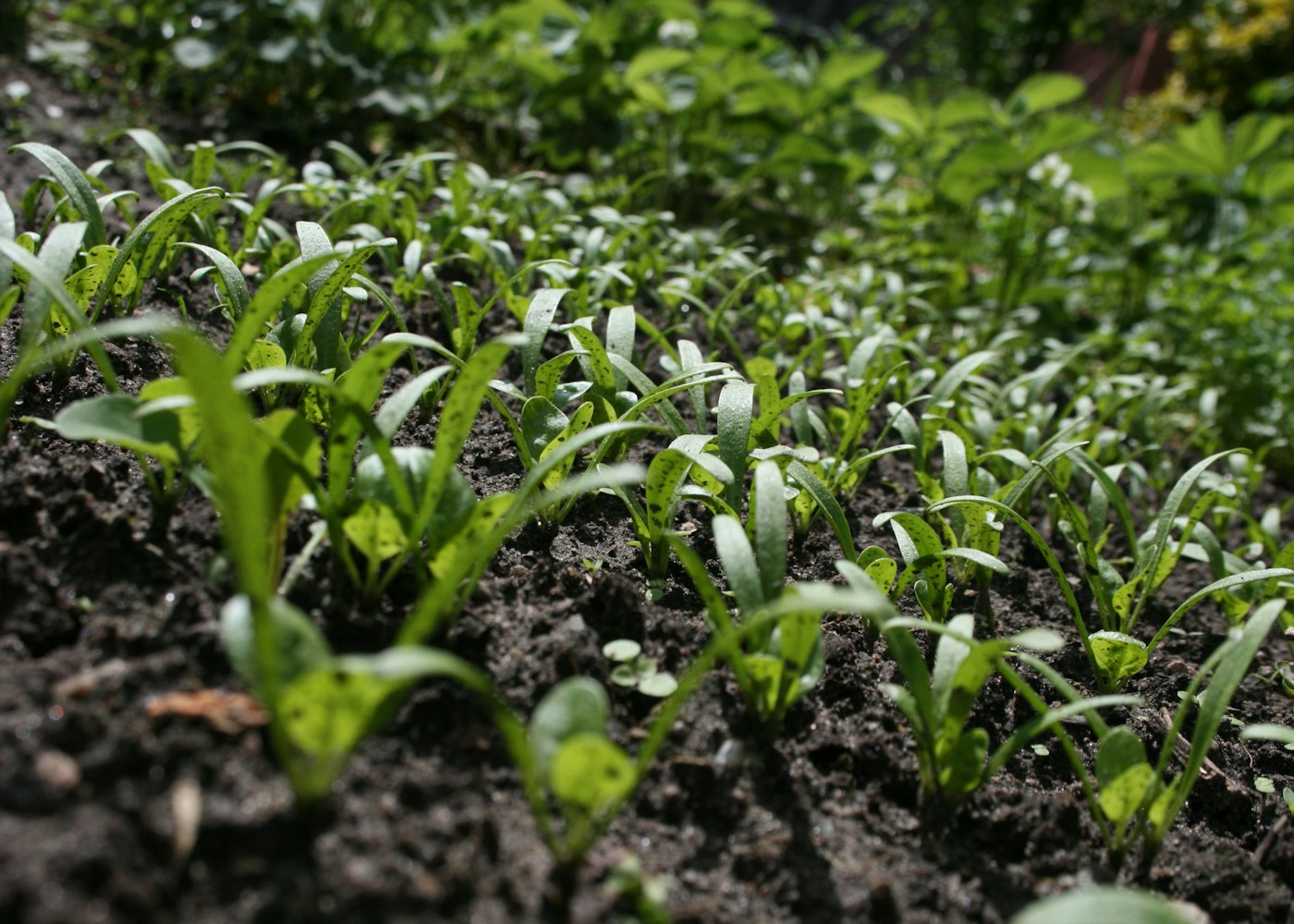
Sow at the packet depth into a suitable moist medium. Avoid turning the pot into a saturated reservoir while waiting for emergence. If starting in modules, transplant while plants are young and handle roots carefully. A plant held too long in a tiny cell may lose the advantage of an early start.
Keep the sowing small enough to observe. If you want to spread harvest, make a second modest batch only while enough growing season remains. Label dates so differences in development are clear. Do not assume a later batch failed because it is smaller than an older one. Compare plants at similar stages and consider temperature and light. A simple record helps separate a real establishment problem from normal differences in age and weather.
Leave room to find the pods
A bush bean can become broad enough to hide its own harvest. Arrange plants so leaves are not pressed into a wall or against every neighbouring pot. Leave a place to kneel or stand comfortably while checking beneath foliage. If a variety benefits from light support, install it before the plant becomes difficult to reach.
When harvesting, support the stem with one hand and remove the pod carefully with the other. Pulling hard can snap a productive branch. Search regularly because a missed pod may become coarse while hidden under a leaf. Avoid handling wet foliage unnecessarily if disease has been a recurring local problem.
Do not solve poor access by removing large amounts of healthy foliage without a reason. Those leaves support the crop. A better pot position or fewer plants next time may be more useful. Observe which parts of the container are hardest to reach and record that with the variety’s mature width. A slightly smaller planting that is picked at the right stage can provide more usable food than a dense one whose pods are discovered only after their best eating quality has passed.
Keep flowering and pod filling steady
Moisture becomes particularly important as the crop flowers and pods develop. Check the root zone during hot or windy periods and water thoroughly when needed. A large leafy plant can use water much faster than it did as a seedling. The watering routine should change with that growth rather than remain tied to the first week after sowing.
Flower drop can occur during heat or other stress. Before adding feed, check the weather, moisture history, and overall condition. Stronger fertilizer cannot remove a heat episode or repair a dried root system. Beans can form nitrogen-fixing associations, but they still require suitable growing conditions and balanced nutrition. Follow local guidance and use any supplementary feed at its labelled rate.
If plants wilt while the mix remains wet, inspect drainage and roots rather than adding more water. If water races through a dry pot, verify that the root ball itself has rewetted. These checks make a more useful response than reacting to foliage alone. Keep notes on the conditions around flowering, since they often explain why one sowing crops better than another even when the seed and container are the same.
Finish the crop at a useful stage
Pick pods at the tender stage intended for the variety and use clean tools and containers. Wash the harvest before preparation and cook beans appropriately. Do not treat raw dried beans as a snack or assume all bean stages are prepared in the same way. Use reliable food guidance for the crop and form being eaten.
A bush crop may have a relatively concentrated production period. Once it becomes exhausted, clear it rather than trying to keep a few old leaves alive indefinitely. A planned later sowing can provide continuity if the season allows, but it should not be forced into a window too short for a useful harvest.
After clearing, inspect the roots and growing medium. Note whether the container held moisture evenly and whether the planting density suited mature size. Keep the variety name with a short comment about pod quality and picking access. The next improvement may be a larger pot, a warmer start, or fewer plants. Successful container beans depend on these practical details more than on fitting the maximum number of seeds into the available surface.
Use the second sowing as a comparison
If the local season is long enough, a second small sowing of the same bush bean variety can reveal how timing affects the crop. Keep the container type and growing method similar, and label both batches. Compare establishment, flowering, and useful picking rather than looking only at which plant is larger on one date. Age alone explains many visible differences.
A later batch may establish rapidly in warmer conditions but face heat during flowering. An earlier one may grow slowly at first yet crop before the hottest period. Neither result creates a permanent rule. Record the weather and moisture pattern alongside the dates so the observation remains useful in another year.
When harvest starts, pick each batch at the variety’s intended tender stage and note how long useful production continues. If both crops mature together, the interval between sowings may not have spread harvest as much as expected. Adjust the next attempt modestly rather than increasing plant density. If the later batch cannot finish before cold weather, omit it next season. Succession is valuable only when it fits the real growing window. A single well-timed crop is better than a second pot that consumes care but never produces usable pods. Keep the successful variety and layout details, and use the comparison to make the next sowing more deliberate.
Further reading
Horticultural references for continued learning: