Reading Indoor Light Before Buying Another Plant
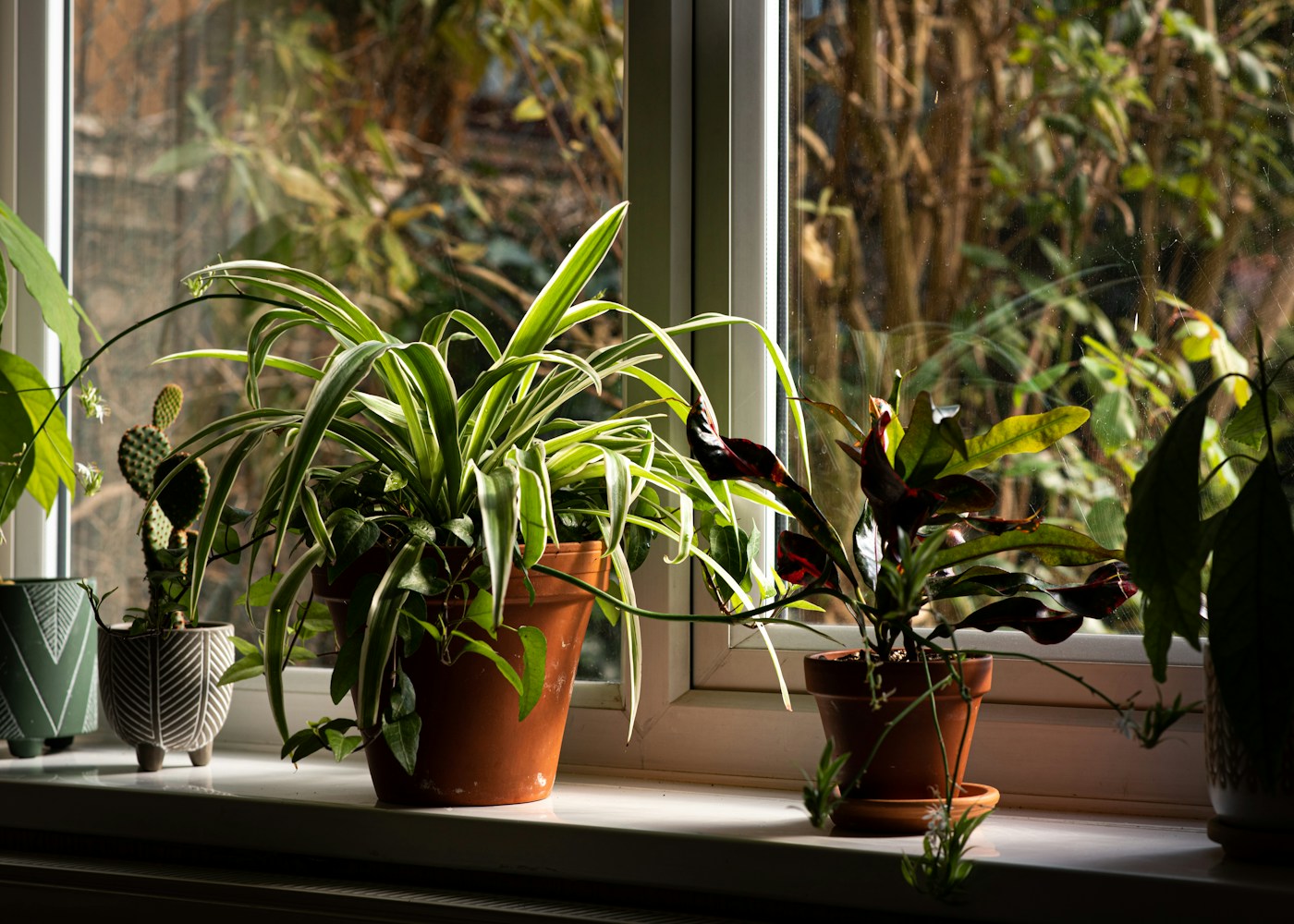
Indoor light is uneven. The floor beside a window, the shelf above it, and the wall across the room may look equally inviting while offering very different growing conditions.
 A little greener, every day.
Make sense of light, water, roots, and the small changes that make a difference.
Indoor light is uneven. The floor beside a window, the shelf above it, and the wall across the room may look equally inviting while offering very different growing conditions.
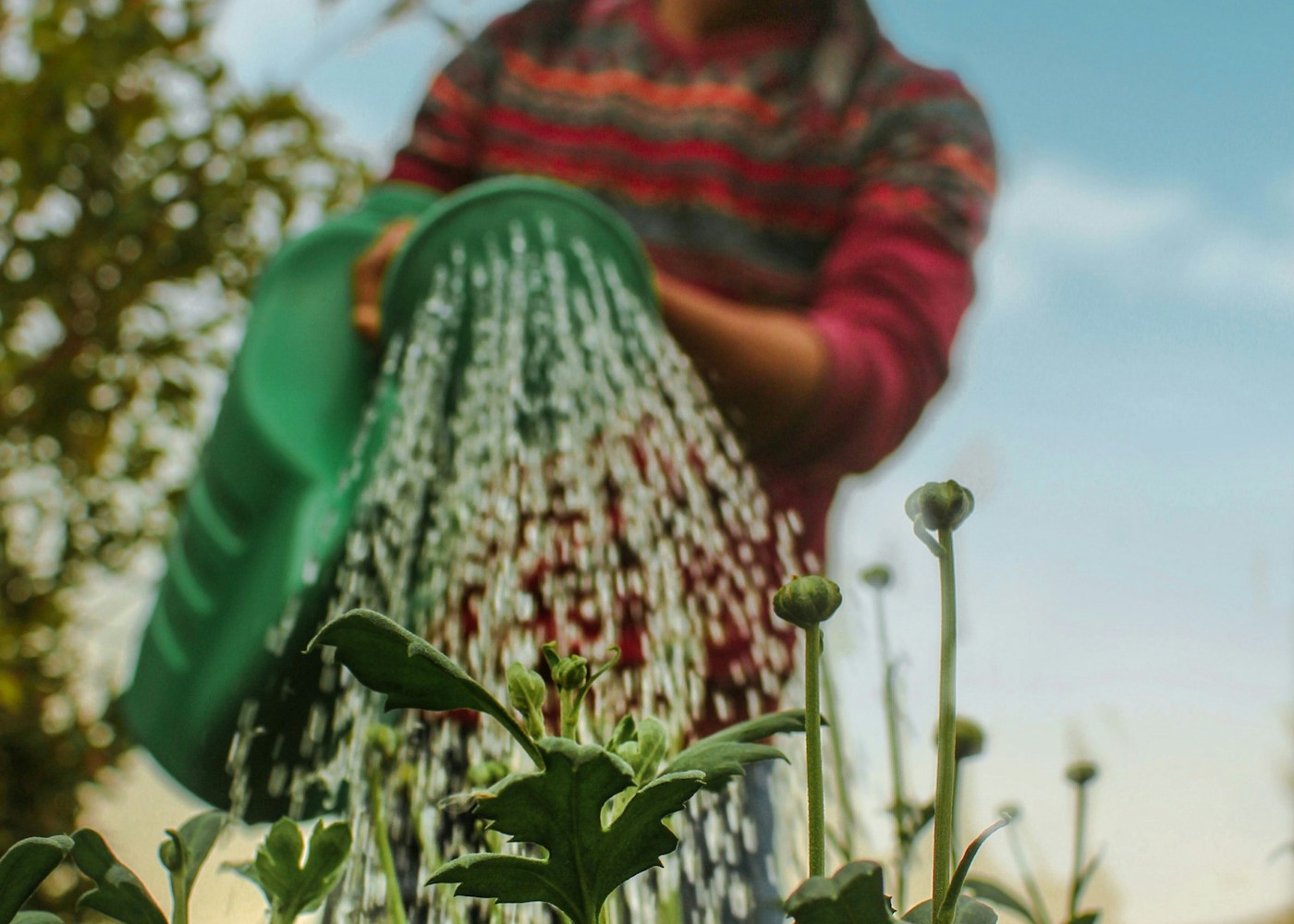
A watering can encourages a tempting habit: walk around the room and give every pot a little.
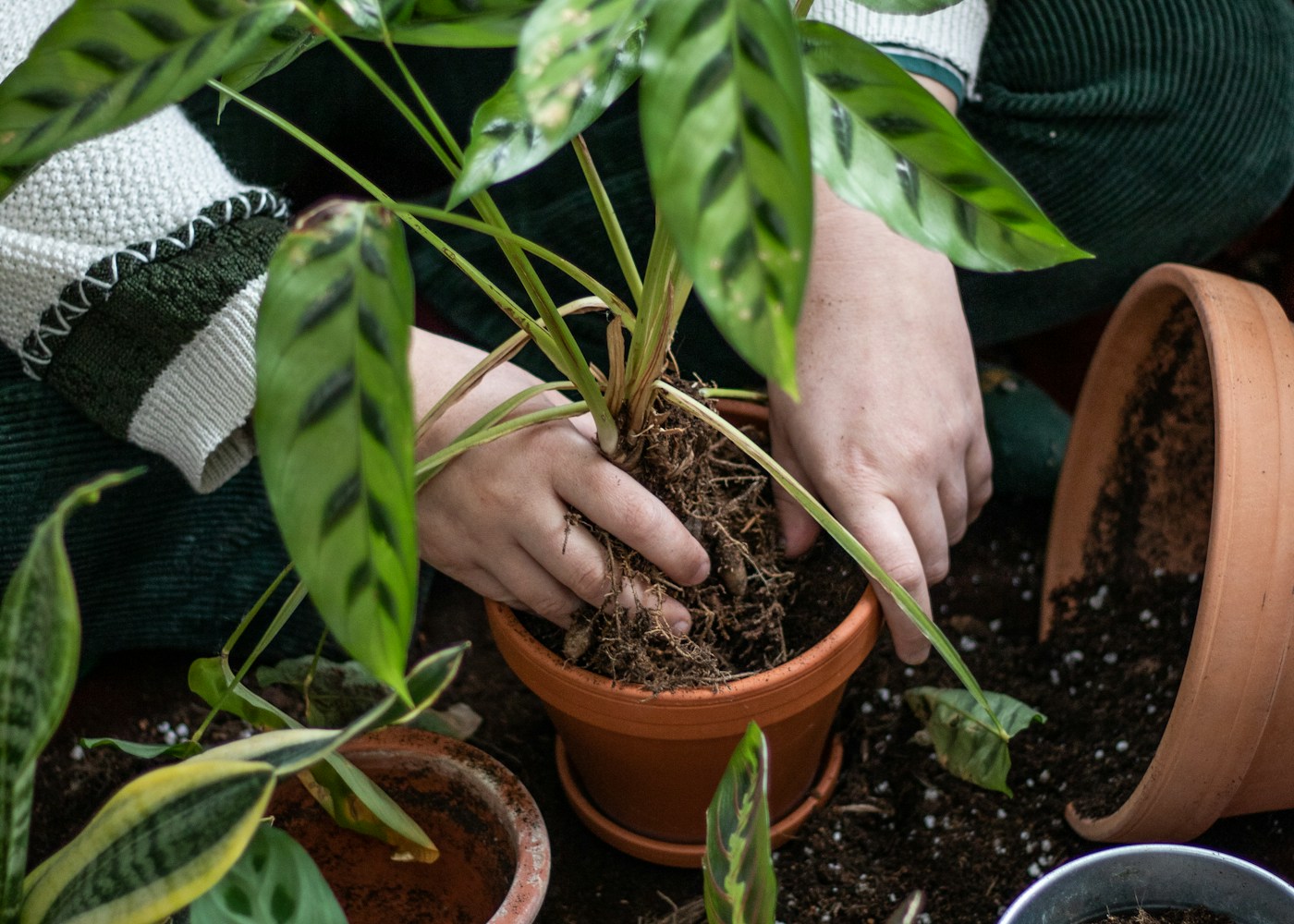
Repotting can solve a genuine problem, but it also interrupts a working root system. The question is not whether the plant deserves a nicer pot.
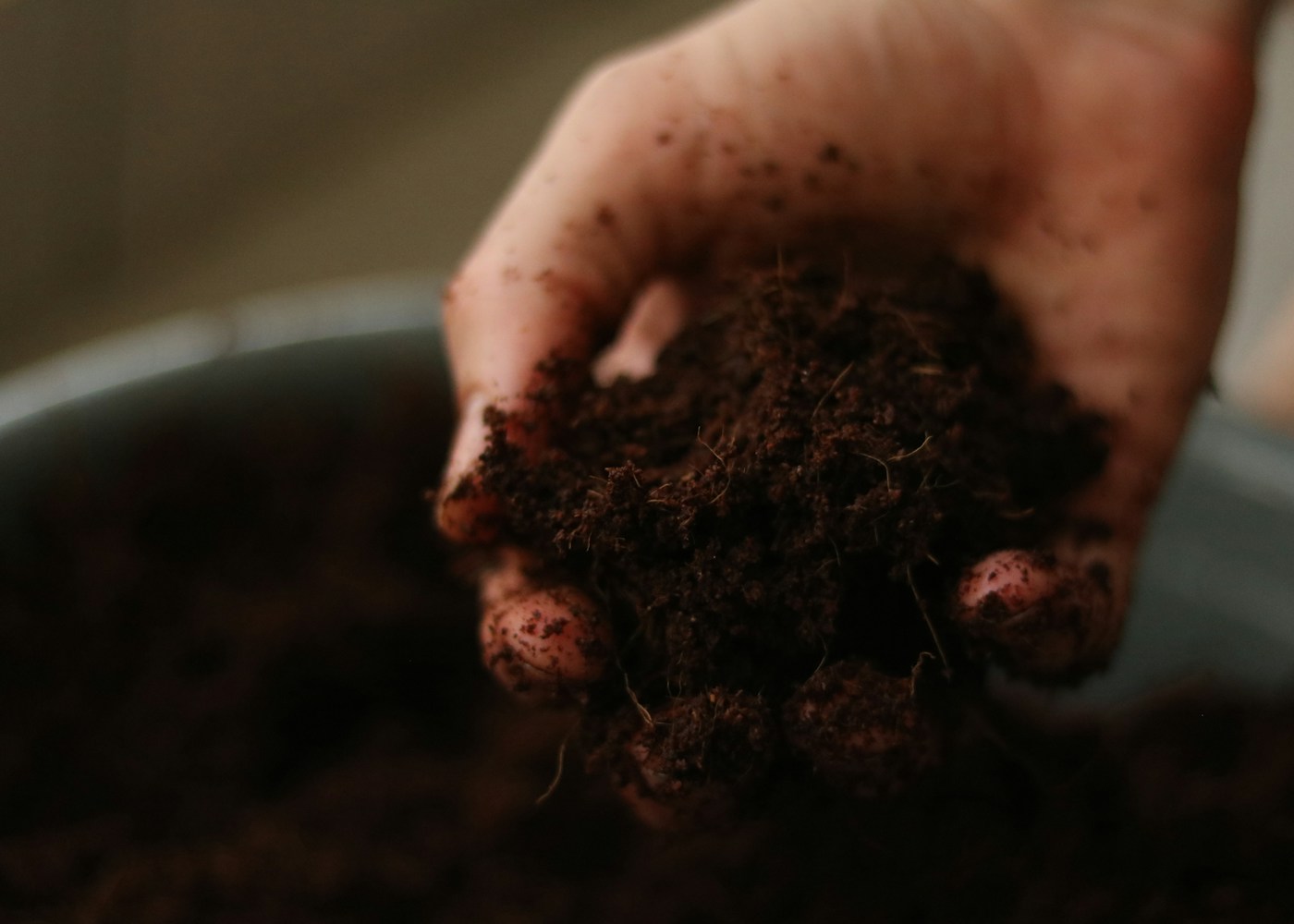
A bag of potting mix is a designed root environment. Its ingredients hold water, create air spaces, support the plant, and sometimes supply nutrients.
Fertilizer can support a growing plant, but it cannot supply daylight or repair roots sitting in stagnant water.
A yellow leaf is a symptom with a long list of possible explanations. It can belong to an aging plant, a dry plant, a wet plant, a shaded plant, or a plant with damaged roots.
A few small flies rising from a pot are irritating, but the useful work happens below the surface. Fungus gnat larvae develop in moist growing medium, while adults are the part you notice near the plant or window.
A new plant is most enjoyable when it stays healthy and does not bring an avoidable problem into the rest of the room. Quarantine is a practical pause, not a punishment for the purchase.
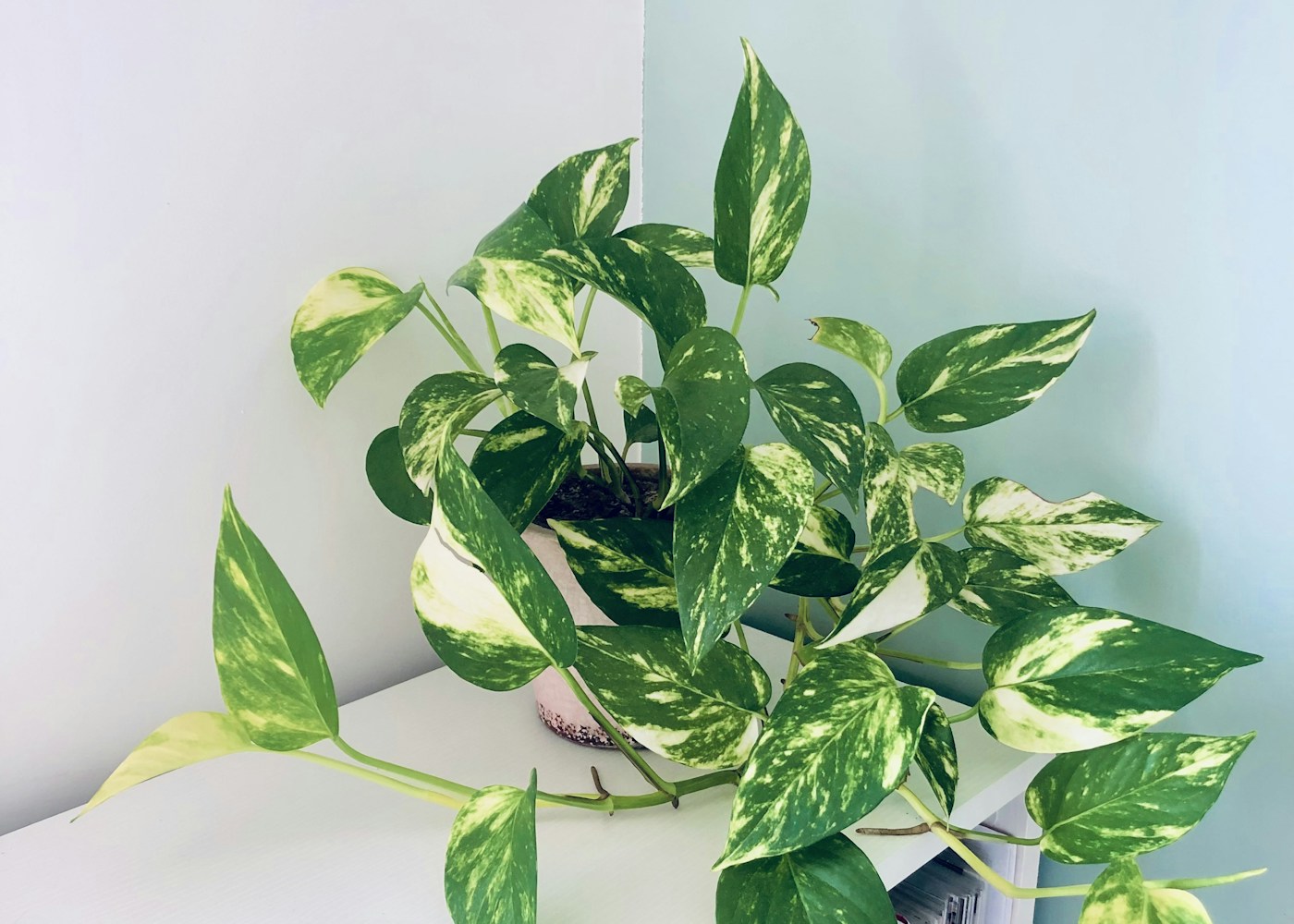
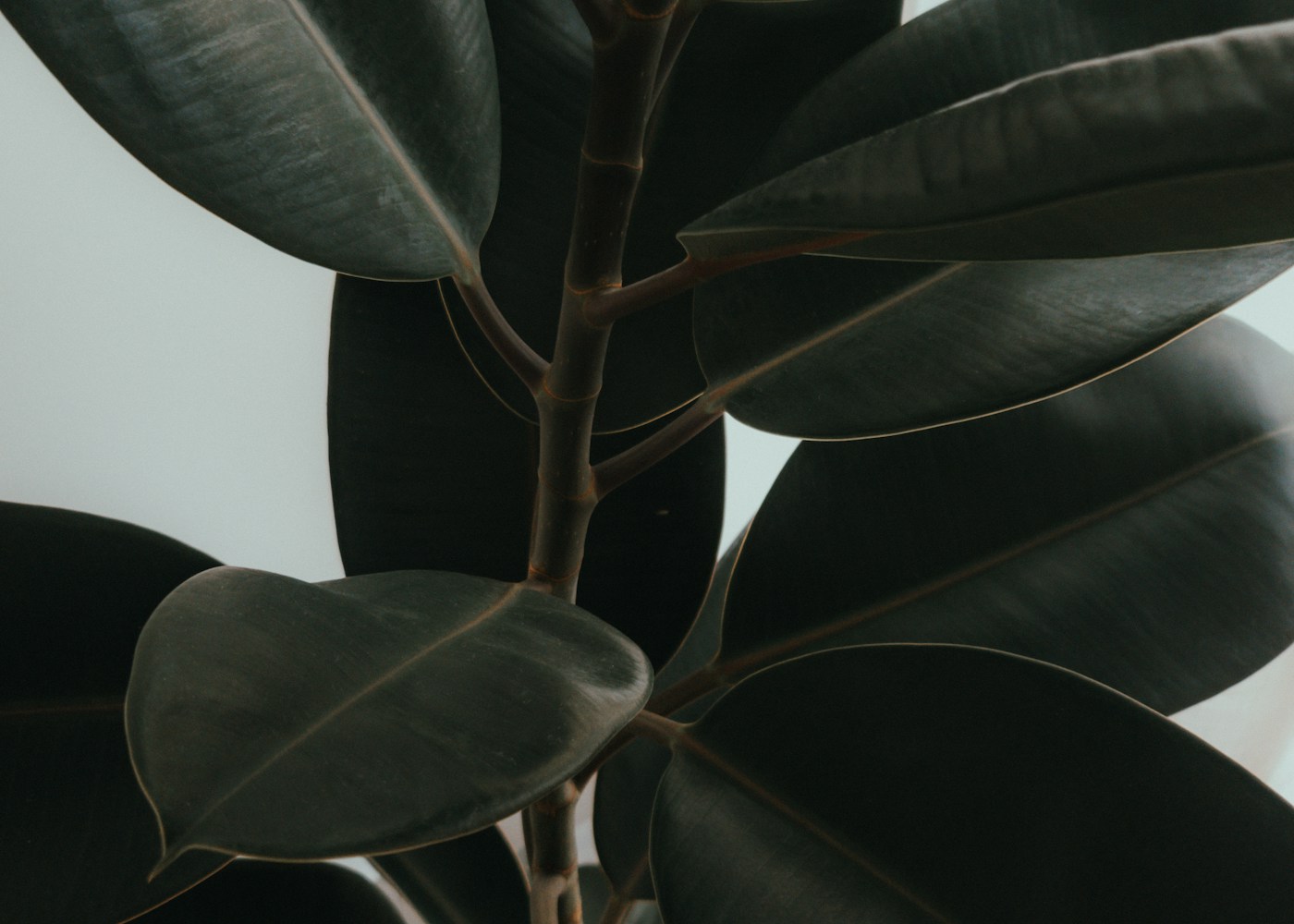
Pruning can make a plant easier to live with, but the right cut depends on how that plant grows. A branching pothos vine, a rubber plant stem, and a fern frond respond differently.
A dusty leaf is a useful invitation to look more closely at a plant. Cleaning can reveal scale insects, webbing, old damage, or an unnoticed new shoot.