Drooping is a question, not a watering instruction
A peace lily can look dramatically thirsty. Its leaves lose their arch and hang toward the rim, sometimes within a surprisingly short interval. That visible response makes Spathiphyllum useful for learning about water demand, but it also encourages a damaging habit: waiting for collapse every time, then adding water automatically. Repeated severe wilting stresses the plant, while wet-root problems can produce an equally limp appearance. The first response should be to feel the mixture and assess the pot's weight.
A dry, light pot with firm leaf bases points toward a genuine need for water. A heavy pot containing wet mix requires a different investigation. Roots short of oxygen cannot supply the leaves normally, even though water surrounds them. The distinction matters more than the exact angle of a leaf. Before buying a moisture gadget or changing fertilizer, learn what the plant's root ball feels like when properly watered and again when it is approaching dryness.
Make a bright place feel gentle
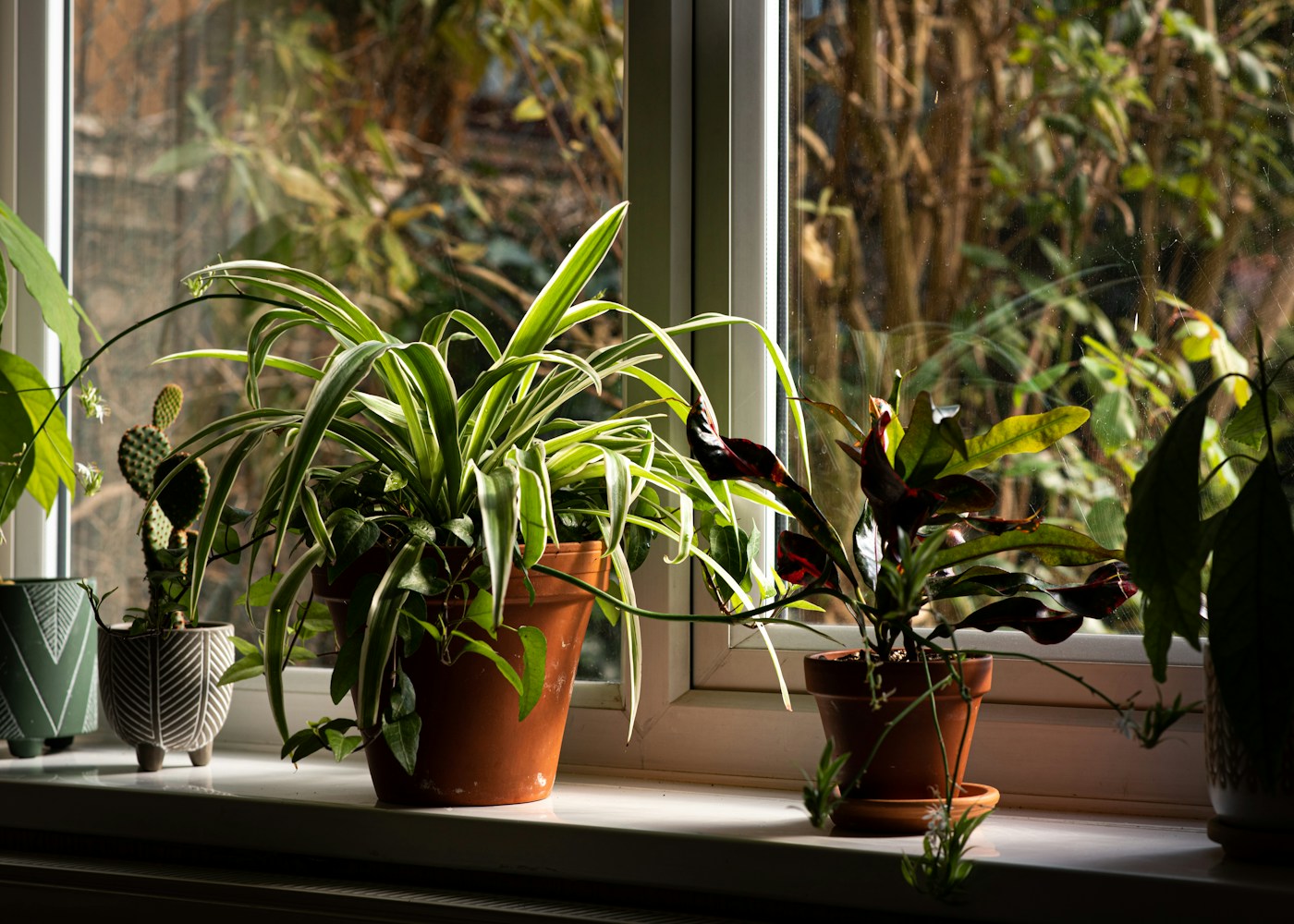
Peace lilies grow well in bright indirect light and can tolerate some lower-light positions. Tolerance does not guarantee abundant flowering. If the plant maintains green leaves but never produces another white spathe, assess its light before adding a bloom product. A brighter position near a window may be enough, provided strong direct sun is filtered. A long move from deep shade into an intense sunbeam can scorch leaves and create a second problem.
Watch how light changes during the day. An east-facing window may provide mild morning sun, while a west-facing pane can bring strong afternoon heat; outside shading can reverse those expectations. Keep leaves away from hot glass and cold drafts. A shelf above a radiator may dry the foliage rapidly while the pot's center stays wet, creating confusing signals. Choose a place with reasonably even temperatures where you can reach the pot to check it without dismantling the room.
Keep moisture available without removing the air
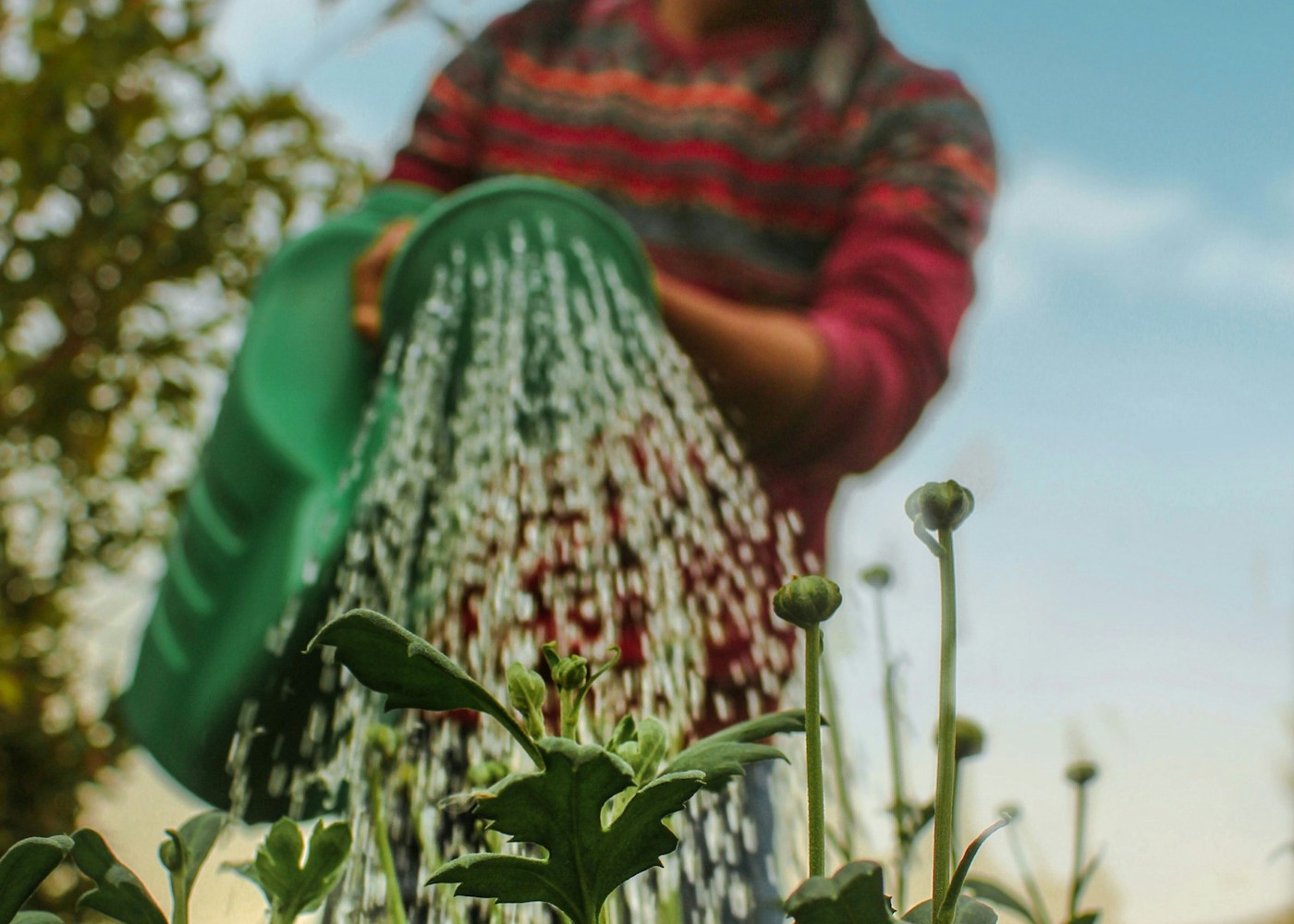
Peace lilies generally prefer an evenly moist root environment, with the upper surface allowed to begin drying between waterings. They are not aquatic plants for an ordinary potting setup. Allow excess water to leave the container and empty the saucer afterward. A draining nursery pot inside a decorative cover works well if you can lift it out, water thoroughly, and return it only after the runoff has finished.
Check moisture at more than one point. A dry patch beside the rim does not prove the middle is dry, particularly after uneven watering. Conversely, a damp surface can conceal a dry interior when only a small splash has been applied repeatedly. Water slowly across the mix until it is evenly moistened. If an extremely dry root ball repels water, allow a short soak from below and then drain completely; do not turn that temporary rehydration into permanent standing water.
Learn why the interval keeps changing
A flowering peace lily with many leaves can use appreciable water in a warm bright room. The same plant may use much less during a cool, dark spell. Large root systems, porous terracotta, open potting mixtures, and moving air can all shorten the drying interval. A deep glazed pot and dense mix can lengthen it. This is why an instruction such as once a week can appear successful for a while and then fail after a move.
Use a recurring reminder to inspect, rather than to pour. Check the root ball, lift the pot, and note whether the foliage remains upright. With practice you can water before a severe wilt while still allowing air to return to the mixture. If the plant needs water almost every day, inspect for a tightly packed root system or a pot too small for its foliage. If it remains soaked for an unusually long period, investigate drainage, light, and the amount of unoccupied mix.
Distinguish old spathes from new problems
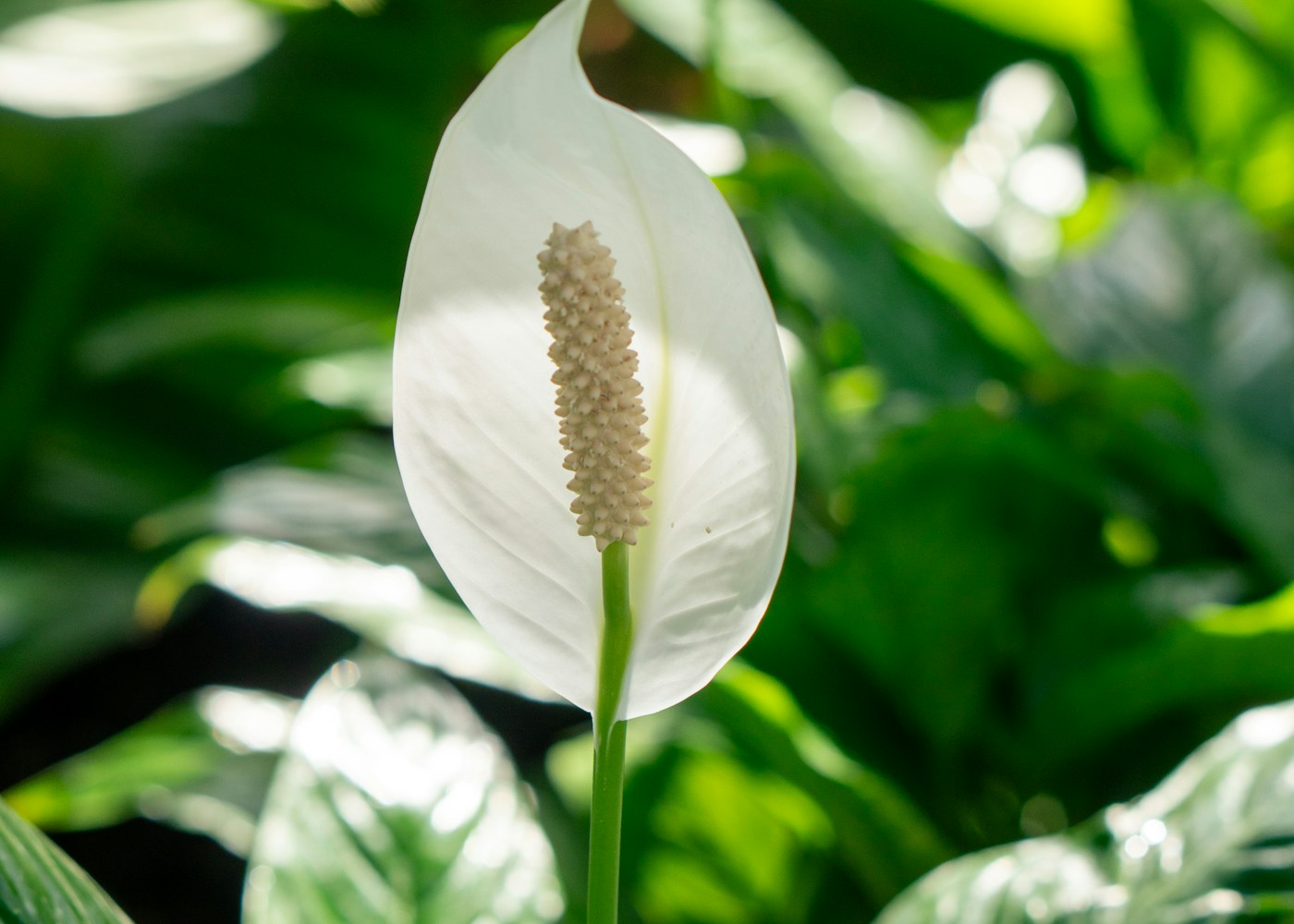
The white sail is a modified leaf called a spathe surrounding a central flower spike. Spathes can turn green as they age, and eventually brown. That progression does not necessarily signal illness or poor water quality. Once an old stalk is no longer attractive, cut it close to the base without injuring nearby leaf stems. Removing it tidies the plant; it does not force an immediate replacement bloom.
Plants sold in full bloom may have been managed under commercial production conditions that differ from a home. Give a newly purchased specimen time to settle and grow. Flowering depends on maturity, cultivar, light, and general vigor rather than a single secret ingredient. Avoid increasing fertilizer concentration to chase blooms. A healthy plant producing sound leaves in a suitable position is a better foundation for future flowering than one receiving frequent strong feeds while its roots remain wet.
Take brown tips seriously, but proportionately
Brown leaf tips are common and can result from several stresses: uneven moisture, low humidity, accumulated fertilizer salts, or sensitivity to components in irrigation water. A narrow brown tip does not identify the cause by itself. Check your watering history and inspect the pot rim for crusts. If tap water is very mineral-rich, trying suitable rainwater or low-mineral water for a period can be useful. Water left overnight does not remove dissolved mineral salts.
You may trim a dry tip along the leaf's natural outline with clean scissors, leaving a narrow dry edge rather than cutting repeatedly into green tissue. That improves appearance but does not correct the cause. Avoid removing many partly green leaves at once, since the surviving tissue still supports the plant. Assess whether new leaves emerge with better edges after the root environment and watering pattern improve; damaged ends do not turn green again.
Raise humidity where it is practical
Dry heated air can contribute to damaged margins, but constant misting is a poor substitute for steady root moisture and a suitable location. Droplets evaporate quickly, and repeated wetting can leave mineral spots. Grouping plants may slightly improve their immediate environment, while a properly maintained humidifier gives more controllable room humidity. Monitor surrounding walls and furniture so an attempt to help one plant does not create persistent dampness elsewhere.
A bright bathroom can suit a peace lily if it has a real source of daylight and comfortable temperatures. An unlit bathroom does not become a good growing place simply because showers make it humid. Keep the plant clear of cleaning sprays and products that could contact the leaves. Good airflow remains useful, but a direct stream from a heater or air conditioner can dry one side disproportionately. Aim for a comfortable room rather than a wet enclosure.
Repot and divide with a purpose
When roots fill the pot and watering becomes difficult to manage, move up a modest size using a fresh moisture-retentive but aerated houseplant mixture. Check the roots as you work. Healthy roots are firm; decayed ones are soft and may shed their outer tissue. Do not bury leaf bases deeply to make the clump stand straighter. Keep the crown near its original level, settle the mixture gently, and leave enough room below the rim for watering.
Division is an option for a large clump with several distinct growing groups. Separate a useful portion with its own roots and several leaves, making clean cuts where needed. A tiny leafless root fragment is a less dependable starting point than a well-rooted division. Pot each section into a container proportionate to its roots. After division, maintain moderate moisture and bright indirect light, avoiding both severe drying and the mistaken belief that damaged roots need permanent saturation.
Inspect leaves, roots, and neighboring plants
Yellowing across several leaves can accompany excessive wetness, prolonged dryness, poor light, or normal aging in an overcrowded clump. Look at the entire pattern. If older outer leaves yellow gradually while new central leaves remain healthy, the response differs from a rapid collapse throughout the pot. Examine leaf undersides and protected stem bases for pests. Isolate affected plants and identify the problem before applying a treatment that could mark the foliage.
Peace lily tissue contains irritating calcium oxalate crystals, so keep it out of reach of chewing pets and young children. It is not a true Lilium, but that botanical distinction does not make it suitable for eating. Wear gloves if the sap bothers your skin, and wash tools after removing damaged growth. Avoid repeated pesticide or leaf-shine applications without a clear purpose. Clean leaves, accessible drainage, and a stable position usually contribute more to routine appearance.
Recover from one missed watering
If a peace lily has wilted in a genuinely dry pot, water the root ball evenly, drain it, and return it to gentle light. Do not add fertilizer as an emergency tonic. Some leaves may recover their posture over the following hours, while badly damaged tissue may remain limp or develop brown areas. Check again after hydration rather than repeatedly adding water because the plant has not responded instantly. Then adjust the inspection interval so the next drink happens before the whole clump collapses. That small change usually creates a more dependable relationship with this expressive plant.
If the pot dries very unevenly, check whether a large clump has pushed the mixture into separate pockets. Water can follow the easiest channels around crowded roots while leaving another area dry. Move leaves gently aside and distribute water around several points on the surface. After drainage, compare moisture near the rim and nearer the middle without forcing a finger through dense roots. Persistent uneven wetting can justify repotting into a manageable clump and fresh mixture. Simply increasing the total volume of water may leave the wettest pocket even wetter.
Further reading
Horticultural references for continued learning: