Understand what drought tolerance buys you
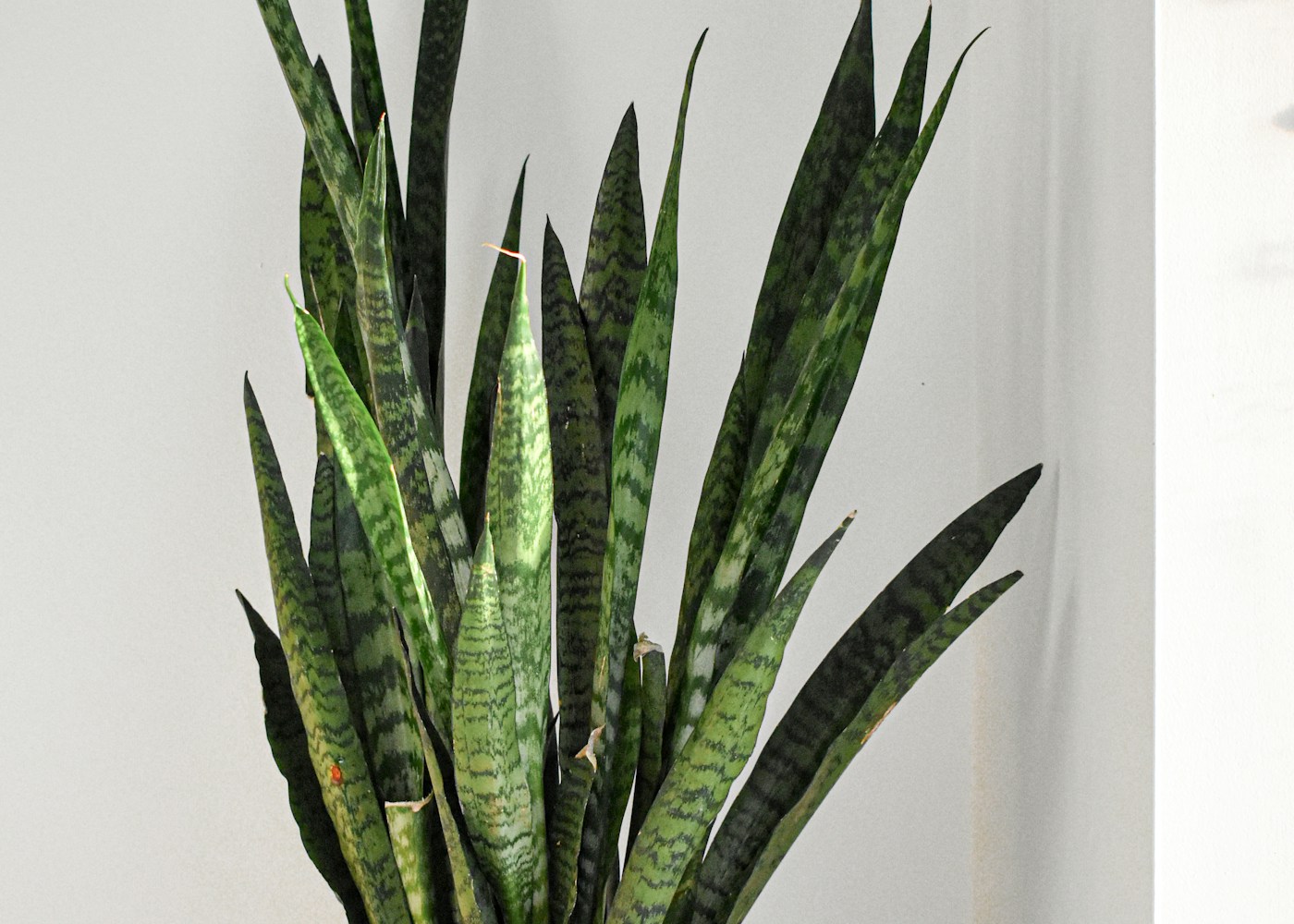
A snake plant stores water in thick leaves and underground rhizomes. That reserve gives you time between waterings; it does not mean the plant prefers a dark, neglected corner or a pot of permanently damp compost. The common upright form, Dracaena trifasciata, is often sold under its older name Sansevieria. Compact rosettes and cylindrical-leaved relatives behave somewhat differently in shape, but the same practical concern runs through their care: roots need air between drinks.
Start with a healthy specimen. Leaves should feel firm, and the bases should not be soft or pull free with a sour smell. A slightly marked old leaf may be cosmetic damage, while a wet, collapsing base is a more serious sign. Inspect the pot rather than judging the plant only from its tall foliage. A decorative sleeve can conceal standing water, and a tightly packed shop display may make the mixture look drier than it is.
Give it a useful window position
Snake plants tolerate lower indoor light better than many succulents, which makes them useful in rooms without intense sun. They generally grow faster with brighter light. A location near a bright window can produce stronger new shoots and a more active plant than a dim hallway. If the only available place receives very little natural light, think about a suitable grow light instead of expecting a slow decline to count as successful low-light growing.
Introduce direct sun gradually. A plant accustomed to a shaded shelf can scorch if moved suddenly onto a hot windowsill, even though an acclimated specimen may handle some sun. Watch the exposed surfaces for bleached or dry areas after a move. Keep tall leaves away from cold glass and opening winter windows. A position beside a radiator may be warm but can create uneven temperatures and very dry air around the leaves, so leave comfortable clearance.
Let the pot influence your decision
A shallow root system surrounded by a large volume of wet mix creates a different problem from a dense mature clump in a close-fitting pot. Choose a container that holds the roots comfortably without excessive unused space. It must have drainage holes. An attractive outer vessel is fine if the inner nursery pot can be removed and drained. If the outer pot is heavy, check its base with a towel or torch after watering instead of assuming it is empty.
Terracotta allows moisture to escape through its walls and can help a mixture dry more quickly. Plastic holds moisture longer and is lighter to move. Neither material is automatically correct. A warm bright room and an airy mix may suit plastic, while a cooler location makes a very moisture-retentive pot less forgiving. Learn the behavior of the complete combination: plant size, root mass, mix, container, and room. Changing any one of these can change the watering interval.
Wait for dryness below the surface
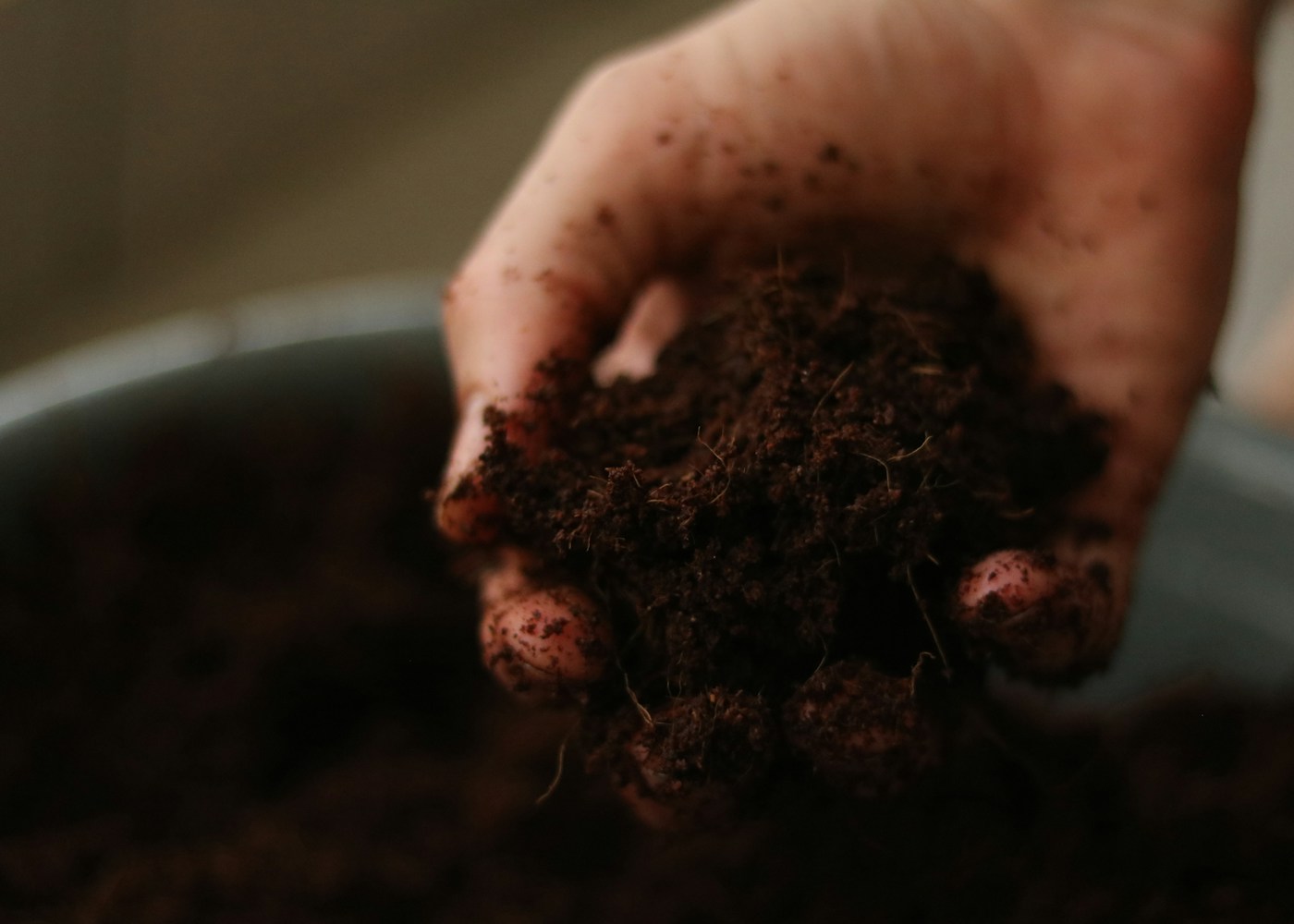
Do not water because the top centimeter looks pale. The center and lower part of the root ball can remain damp long after the surface dries. Check a little deeper near the edge, lift the pot to assess its weight, or inspect through an accessible drainage hole. A wooden skewer can show damp particles deeper down, although inserting it repeatedly through the same crowded root area is unnecessary. Treat any single tool as one clue rather than a perfect measurement.
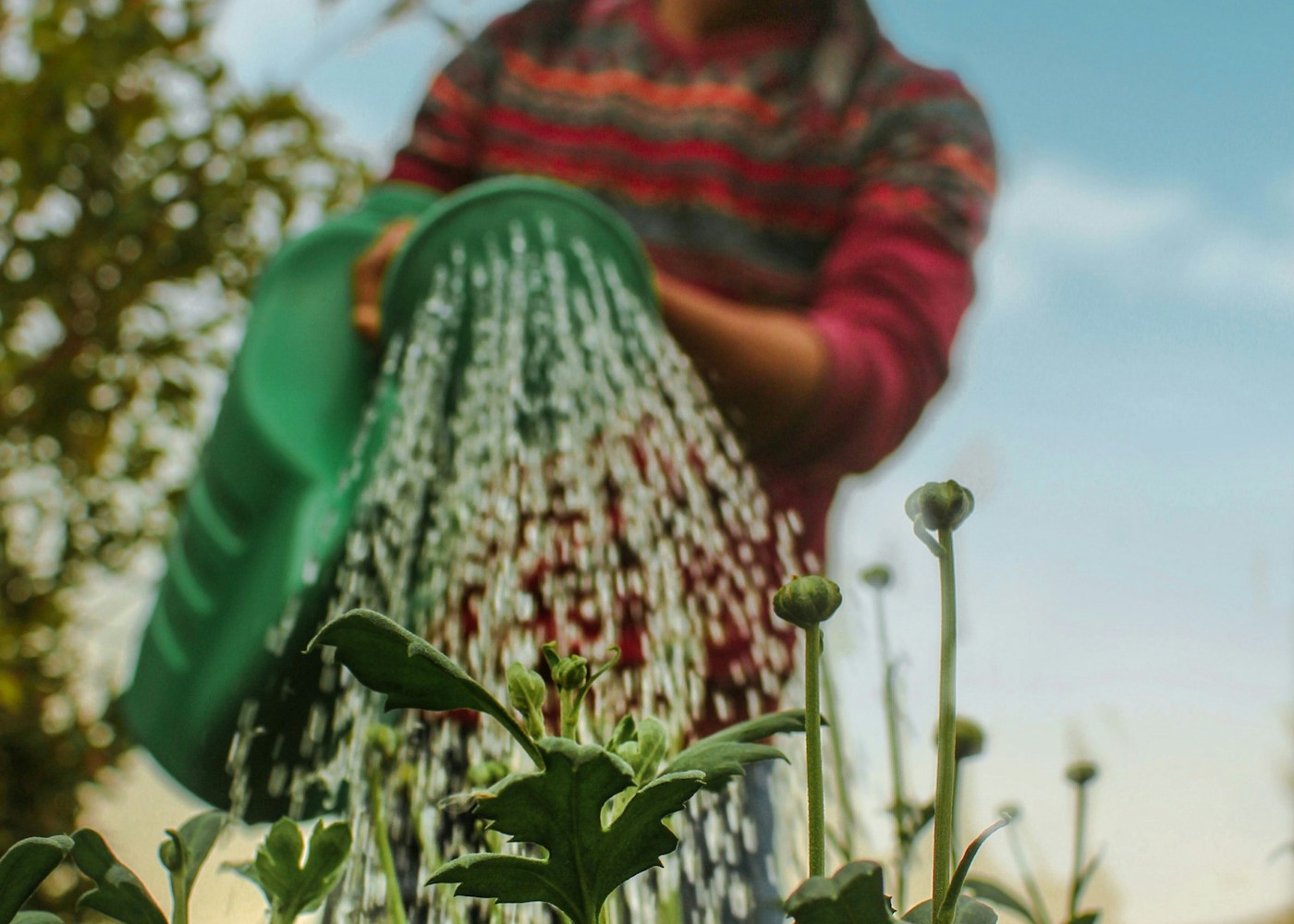
When the mixture has dried thoroughly, water evenly and allow all surplus to escape. Avoid letting water collect in a tight central rosette, especially on compact forms. Dry intervals are usually longer in cooler, darker periods, sometimes much longer than a weekly houseplant routine allows. There is no obligation to water a snake plant every time you check it. An inspection that ends with leaving a still-moist pot alone is successful care.
Read a folded leaf in context
A thirsty snake plant may develop wrinkles or less rigid foliage, but damaged roots can produce similar signs because the leaves are no longer receiving water. Before responding to a soft or folded leaf, examine the mixture. If it is thoroughly dry and the leaf bases remain firm, a proper watering is reasonable. If the pot is wet, adding more water risks worsening the underlying problem. Look for soft, discolored tissue and a smell of decay.
Mechanical creases are different again. A leaf bent during transport may retain a permanent fold even after the plant is healthy. It will not become rigid simply because you increase watering. Support an otherwise sound tall leaf if you want to keep it, or remove it close to the base with a clean tool if it spoils the display. Judge the condition of newly emerging leaves rather than expecting damaged tissue to reconstruct its original shape.
Recognize a reason to repot
Snake plants often remain in the same pot for a considerable time. Rhizomes can eventually press hard against the container, distort plastic, or create a clump with very little remaining mix. These are better reasons to repot than the calendar alone. A top-heavy plant may also need a stable container, although stability can sometimes be improved with a heavier outer pot rather than a large increase in wet growing medium.
Repot during active growth when possible. Remove the plant carefully and inspect the root mass. Firm roots and solid rhizomes can be retained; soft decaying tissue requires clean removal and a reassessment of drainage. Use a fresh free-draining mix designed for succulents or a suitable houseplant mix opened with coarse mineral material. Do not put gravel beneath a dense mix as a substitute for drainage holes. Keep the rhizomes at roughly their former depth and avoid burying the leaf bases.
Divide a clump without sacrificing its character
Division gives you a new plant while retaining the appearance of a selected cultivar. Find a natural group of leaves connected to a firm rhizome and separate it with some roots attached. Use a clean sharp knife when a cut is necessary. A substantial division is easier to establish than a tiny fragment with little stored energy. Let any cut surfaces dry appropriately before placing them into a lightly moist, airy mixture, and avoid keeping fresh wounds saturated.
Leaf cuttings offer a different route, but they require patience and may not preserve the yellow margins of some variegated cultivars. Mark the lower end before cutting a long leaf into sections, because orientation matters. Rooting and the eventual appearance of new shoots can take a long time. Do not keep digging up a cutting to check for progress. Firm tissue without spreading decay is a better reason to wait than to increase water or fertilizer.
Feed for growth that is actually happening
A snake plant uses relatively modest amounts of fertilizer indoors. Apply a suitable houseplant fertilizer at its labeled dilution during active growth, and avoid frequent strong doses to a plant making no new shoots. Slow growth can simply reflect light and temperature. It does not automatically indicate a nutrient shortage. Feeding a cold, wet root ball is particularly unhelpful because the problem is uptake and aeration rather than a lack of products in the pot.
White crust around the rim or on the surface may indicate mineral accumulation from water and fertilizer. If drainage is good and the roots are healthy, occasional thorough watering that lets excess drain away can help remove soluble salts. Do not leave the runoff sitting in the cachepot. Very old, compacted mix may need replacement instead. Cleaning the leaves with a damp soft cloth also removes residues and makes it easier to see pests.
Prevent a small pest issue becoming a hidden one
Inspect where leaves meet the soil and where compact rosettes overlap. Mealybugs can hide in those protected spaces, while scale insects may resemble small attached brown bumps. Move an affected plant away from neighboring foliage and inspect the rest of the collection. A cottony patch should be examined before being dismissed as potting-mix debris. Avoid digging tools or contaminated cloths through several pots without cleaning them.
Use pest products only when they are labeled for the plant, setting, and pest involved. Test a small area if the label recommends it, and do not combine household chemicals into improvised sprays. Leaf damage from harsh treatment can remain for the life of the leaf. Keep snake plant tissues away from children or pets that chew plants, and avoid placing a heavy upright pot where a trailing lead or curious animal can pull it over.
A reset for the regularly watered office plant
Imagine an office snake plant with several soft lower leaves, a deep plastic pot, and a weekly watering reminder. Remove it from its outer sleeve and check for trapped water. Inspect the root ball and discard decayed tissue if present. Replant healthy material in an appropriately sized draining pot if the existing mixture stays soggy. Move the plant into brighter usable light and replace the weekly watering alarm with a weekly moisture inspection. The recovery sign is firm surviving tissue followed, in time, by sound new shoots rather than immediate rapid growth.
Tall upright cultivars can become unstable if their leaves all lean toward one edge. Before removing healthy foliage, check whether the plant sits squarely and whether new shoots have crowded one side. At repotting, divide or reposition sound rooted groups if that improves the arrangement. Choose a wide stable outer container rather than adding excessive depth of mixture. A compact cultivar may suit a narrow shelf better than repeatedly shortening a tall one. Cutting the tip of a healthy snake plant leaf leaves a permanent scar and does not create a new pointed tip.
Further reading
Horticultural references for continued learning: