Choose the fern for the home you have
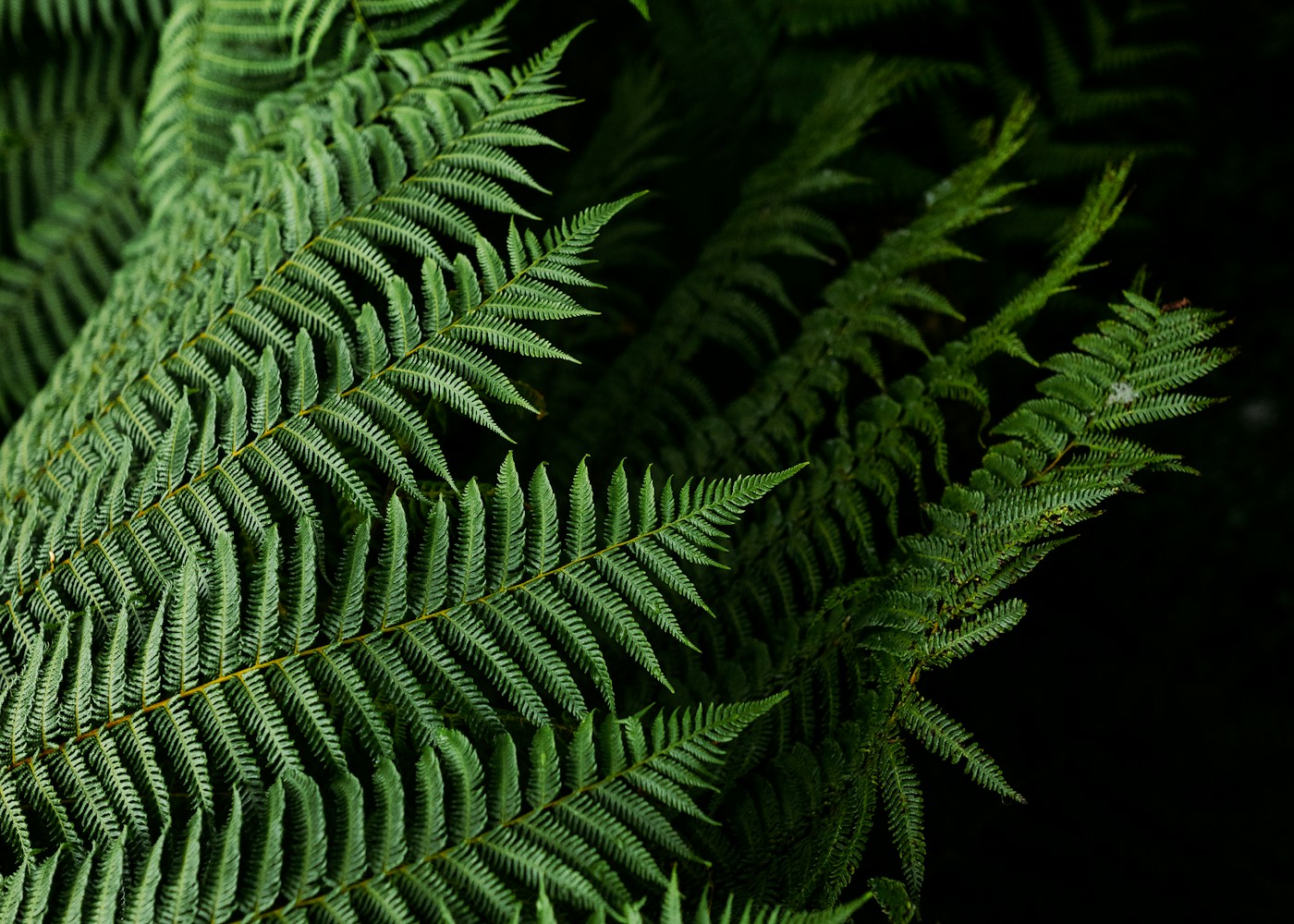
The word fern describes an enormous range of plants, not one watering personality. A Boston fern with arching divided fronds, a bird's-nest fern with broad whole leaves, and a delicate maidenhair can behave very differently on the same shelf. Begin by identifying the plant as closely as possible. A label with the botanical name is more useful than a promise that it is a bathroom plant. Knowing the type helps explain its response to drying, light, and handling.
For a home with ordinary central heating and a busy routine, a bird's-nest fern or another relatively robust tropical species may be easier to accommodate than a maidenhair. This is a matter of matching conditions rather than ranking plants by beauty. A demanding fern can be successful where its moisture and humidity needs fit naturally. Buying one for a position that dries intensely every afternoon creates work that no attractive container can remove.
Bright shade is brighter than a dark room
Many indoor ferns appreciate filtered daylight. Their association with shaded woodland does not mean they can live indefinitely in a distant dim corner. Outdoor shade can receive far more usable light than the interior of a room. A place near a bright window, protected from harsh direct sun, is usually more promising than a shelf chosen only because it feels cool and shaded. New fronds need enough light to expand and maintain the plant.
Assess the brightest part of the day. Strong sun through glass can scorch thin fronds and dry a small pot quickly. A sheer curtain, a position slightly to one side, or suitable outdoor shading can soften that exposure. On the other hand, moving the fern far back to avoid every ray may leave it too dark. Look for a position that remains bright without forcing the fronds against a hot window or into a cold draft.
Water according to the species and the root ball
Most commonly grown tropical ferns prefer reliable moisture without prolonged waterlogging. Check the upper mix and the pot's weight before watering. A Boston fern can form a dense root mat that dries quickly, while a smaller bird's-nest fern in a deep moisture-retentive pot may remain damp much longer. The leaf texture alone is not a reliable moisture meter. Use your hands and the container as well as the foliage.
Water the mixture thoroughly and let surplus drain. If a dense, dry root ball sheds water around its edges, apply water slowly or use a short bottom soak to restore even moisture, then drain fully. Leaving the pot continually in water replaces one problem with another. For bird's-nest ferns, direct water around the roots rather than repeatedly filling the central crown. Debris and constant wetness trapped in that growing point can encourage deterioration.
Learn the difference between humidity and wet compost
Humidity is water vapor around the leaves; potting moisture is water held around the roots. One cannot fully replace the other. Keeping the pot soggy does not protect delicate fronds from an intensely dry heated room, and misting does not supply enough water to a dry root ball. These two mistakes often occur together when a fern starts browning. Separate the checks so you know which part of the growing environment needs adjustment.
Place ferns away from heaters and strong air-conditioning streams. A maintained humidifier can help where the room is persistently dry, provided you avoid damp walls and stagnant air. A pebble tray may improve the immediate setting slightly, but it rarely transforms a dry room. Keep the pot above any standing water. Brief misting can leave droplets and mineral marks without producing lasting humidity, so treat it as optional grooming rather than the central care method.
Use the bathroom only if it has enough light
A bathroom with a bright window and moderate temperatures can provide a useful setting, especially if the humidity rises regularly. Place the fern where it receives that daylight rather than behind an opaque shower screen. Protect it from shampoo, disinfectant, aerosol cleaners, and hot water splashes. Intermittent steam does not compensate for hours in darkness, and an extractor fan or open winter window can create strong changes in temperature.
If the bathroom has no natural light, a suitable grow light on a timer may make the location workable. Choose a fixture intended for plants and install it safely away from water according to its instructions. Without artificial light, select a different room. A fern's early survival after moving into a dark bathroom can reflect its existing reserves rather than proof that the location works. Continued production of healthy fronds is the more meaningful test.
Handle new fronds gently
Young fern growth often emerges as tightly curled structures that unfurl gradually. Avoid trying to open them by hand. The soft tissue tears readily, and a crushed growing tip cannot be repaired with extra water. When carrying the pot, lift the container rather than gripping a handful of fronds. A hanging Boston fern also needs clearance from passing shoulders, doors, and curtains, which can damage its fine leaflets repeatedly.
Remove fully brown fronds close to their base with clean scissors, taking care not to cut emerging growth. Partially damaged fronds may still provide useful green tissue. If their appearance bothers you, trim selectively rather than stripping the whole plant at once. Some ferns carry brown spore structures on leaf undersides; these are part of reproduction, not automatically pests. Their regular arrangement often distinguishes them from irregular clusters of insects or fungal damage.
Make room for the roots without creating a bog
A densely rooted fern can eventually become difficult to hydrate evenly. If water races through and the plant wilts soon afterward, inspect the root ball rather than increasing watering blindly. Roots filling the container, a thick mat at the drainage holes, and very little remaining mixture suggest that repotting may help. A modestly larger draining pot is usually easier to manage than a large jump in size.
Choose a fresh potting mix suited to moisture-loving houseplants but containing enough structure to remain aerated. Replant at the original depth and keep crowns above the mix where appropriate. Gently loosen a crowded outer root layer, but avoid tearing apart a healthy root system unnecessarily. After repotting, water evenly and protect from strong sun while roots settle. Monitor the new mixture; its drying behavior may differ from the old compacted material.
Divide only ferns that offer a suitable structure
Some clumping ferns, including established Boston ferns, can be divided into useful rooted sections. Identify several growing points and cut or pull the root mass into portions that each retain healthy roots and fronds. A substantial division has a better reserve than a tiny torn scrap. Pot into proportionate containers and maintain reliable moisture during establishment. Removing excessive foliage immediately after division can reduce the plant's ability to support recovery.
Bird's-nest ferns have a different crown structure and are not usually divided casually in the same way. Do not slice through a single central rosette because a general fern guide mentions division. Propagation from spores is a more specialized process requiring patience and careful hygiene. For a household collection, buying another sound specimen may be more practical than attempting to turn every type into multiple plants.
Find the cause of brown edges
Brown crisp tips can follow dry roots, low humidity, accumulated salts, or strong sun. Broad pale or scorched areas on exposed fronds suggest a different pattern from a whole pot that repeatedly dries out. Check whether damage is concentrated near a heater or window. New growth provides the best evidence after a change. Older fronds keep their scars, and removing every marked leaf can leave very little photosynthetic tissue.
Feed modestly during active growth using an appropriate houseplant fertilizer at the label's recommended rate. Ferns do not need strong feeding to compensate for damaged foliage. If salts accumulate around the rim, review fertilizer concentration and irrigation water. Where the pot drains well, occasional thorough watering with freely escaping runoff helps reduce soluble buildup. A persistent pest issue also deserves attention: inspect frond undersides and crowded bases, and isolate the plant while identifying the culprit.
A practical fern arrangement for a heated flat
Suppose a Boston fern sits in a high basket beside a sunny window and above a heater. Its top dries rapidly, frond tips brown, and water sometimes runs straight into the decorative cover. Lower it into gentler bright light, away from the heat source, and inspect the roots. Rehydrate evenly if dry, drain fully, and remove only dead growth. If the root ball is densely packed, arrange a modest repotting. A smaller collection of ferns placed where checking is easy often looks healthier than several baskets that are inconvenient to reach. Plan the display around access to water, useful daylight, and clearance for new fronds; those ordinary details matter more than creating a tropical-looking corner for a photograph.
Check the label when shopping for a fern-like plant. Asparagus fern, for example, is not a true fern and has different botanical features and safety considerations. A common name can group plants that need different handling, so retain the botanical label with your care notes. That small habit prevents advice for one plant from being applied confidently to another.
A hanging fern also needs attention to the supporting hardware. Check the hook, hanger, and basket for corrosion or weakening, and remember that thoroughly watered compost adds considerable weight. Water the inner pot where runoff cannot damage the floor, then return it only after draining. If a high basket cannot be lifted safely, lower it or choose another display. The ability to inspect the crown and root ball is part of successful fern growing, particularly when fine fronds hide the surface and make a quick glance seem more informative than it is.
Further reading
Horticultural references for continued learning: