Start with the plant and the place
A shady courtyard can be a generous place for foliage, texture, and quiet seasonal change. It is less forgiving when planted as a sun garden with the sunlight missing. The first distinction is between bright open shade, a short period of direct sun, and deep shade beneath structures. Each can support a different palette, and none tells you everything about moisture at the roots.
Describe the kind of shade
Open sky can provide useful light without direct sun, while a covered recess may be much darker. A brief sun patch also changes across the year.
Visit the courtyard when the light changes rather than relying on a compass direction. Tall walls can block low winter sun while allowing a summer patch to reach the ground, and nearby trees may create a seasonal canopy. Open shade with a broad view of the sky differs from a covered recess under stairs. Record those areas separately. The brightest part may be better suited to a flowering or edible trial, while the darkest corner may be more realistic as clear space or a place for a non-living object. Not every square meter needs a plant.
Observe the courtyard at different times before choosing plants.
Separate shade from dampness
A shaded site can be dry because walls, overhangs, or tree roots intercept water. Another courtyard may remain cool and poorly drained.
Check after rain as well as during a dry period. An overhang may keep the bed dry even when the paving is wet, while a low corner may collect runoff and remain saturated. Tree roots can compete for moisture in a shaded bed. Containers add another variable because their mix may not receive the same rainfall as the ground. Describe the site as dry shade, moist shade, or another observed condition only after checking. The word shade tells you about light; it does not prescribe one watering routine or one soil amendment for the entire courtyard.
Inspect soil or container moisture after rain and during dry weather.
Choose for local climate first
Shade-tolerant plants still have temperature and hardiness requirements. A plant suited to one region may be unsuitable or invasive elsewhere.
Use local hardiness and climate information when selecting plants. A shaded enclosed space can be sheltered, but it is not automatically frost-free. Summer heat may also accumulate between walls. A plant recommended for a cool temperate courtyard may struggle in a hot humid region, and an attractive species may be invasive or restricted locally. Check reliable regional horticultural guidance rather than importing a plant list unchanged. If you want year-round structure, confirm which choices remain evergreen in your actual climate. Seasonal dormancy can otherwise leave a design looking unexpectedly empty.
Check local horticultural guidance and restrictions before buying.
Use containers to test positions
Movable pots let you compare light and shelter before committing to a permanent arrangement. They still need drainage and appropriate root space.
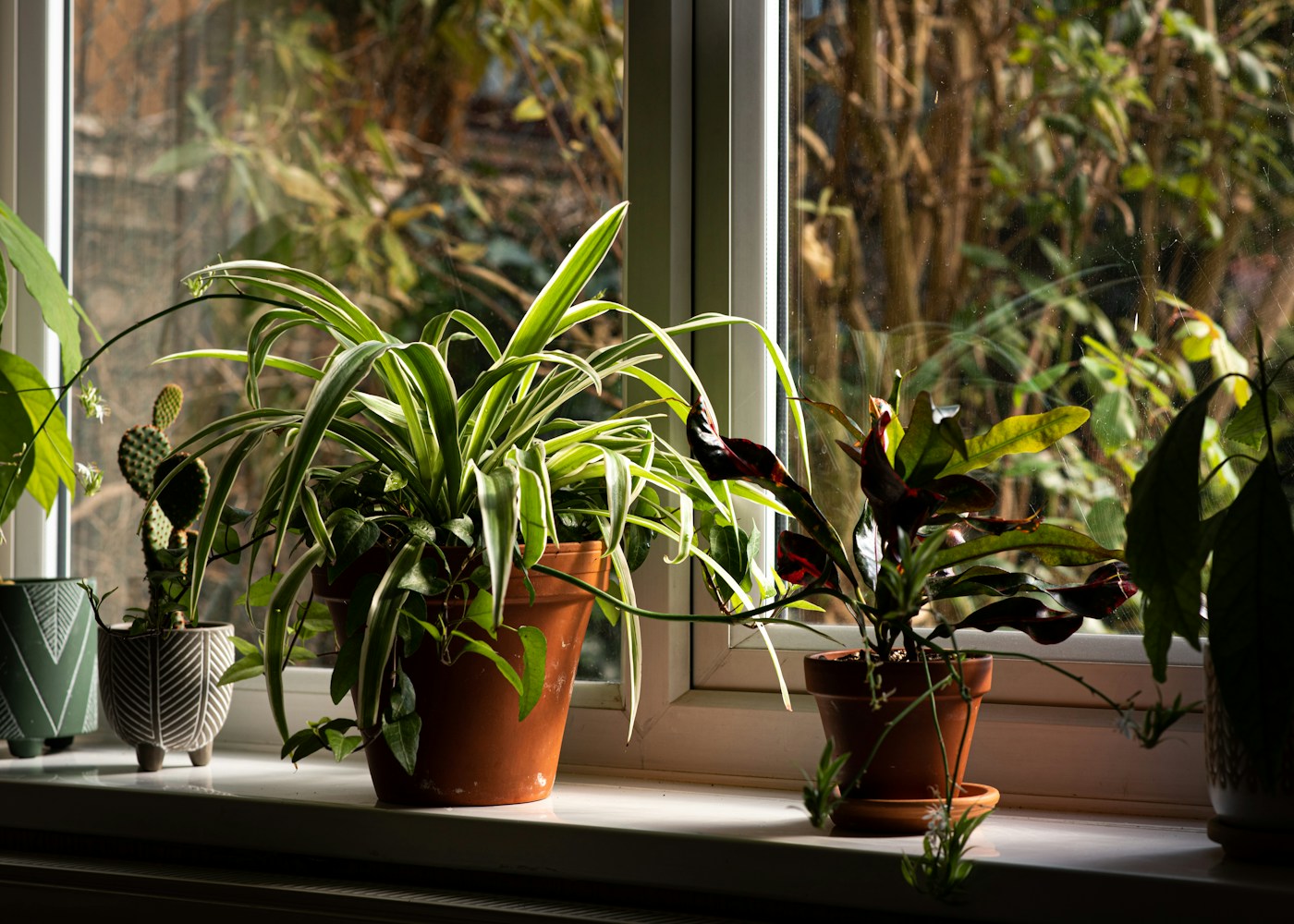
A small group of movable containers allows you to test whether a plant receives enough light and whether the position is too wet or dry. Use pots that remain manageable when watered and provide suitable drainage. Avoid constantly moving them after every imperfect day; choose a trial position and observe a meaningful response. Mark the original location so comparisons remain clear. If one corner repeatedly produces weak stretched growth, accept that evidence. A different shade-tolerant plant may work, or the space may be better left open rather than maintained through continuous replacement.
Begin with a few plants rather than filling every shaded corner at once.
Improve the root environment appropriately
In-ground beds and containers need different approaches. Adding ingredients without understanding drainage may create a wet pocket rather than solving the problem.
For in-ground beds, investigate drainage and structure before adding large quantities of material. A wet pocket beside an impermeable wall may need a broader solution than a handful of grit in one planting hole. For containers, use a medium intended for pots rather than assuming courtyard soil will behave the same way above ground. Organic mulch can help some beds retain moisture, but it is not a universal answer in a site already staying wet. Keep material away from vulnerable crowns and building features. Match each intervention to an observed condition, not to the general idea that shade needs richer soil.
Assess the existing structure and use suitable container mix in pots.
Leave air around the foliage
A courtyard can be sheltered enough that crowded leaves stay damp for long periods. Spacing makes inspection and drying easier.
Allow enough room for mature foliage and for your hands to reach the soil. A narrow courtyard can tempt you to overlap plants heavily for an immediate lush effect. As they grow, the inner leaves become difficult to inspect and can remain damp. Remove dead or diseased material appropriately and keep paths clear. Gentle air movement is useful, but avoid trying to solve crowding with repeated spraying or aggressive thinning after the plants have filled the space. Good initial spacing gives the garden time to develop without turning every maintenance task into an untangling exercise.
Allow mature spread and remove fallen diseased material when necessary.
Build interest with foliage
Leaf shape, texture, height, and seasonal emergence can provide variety where heavy flowering is unrealistic. The design does not need a permanent flower display.
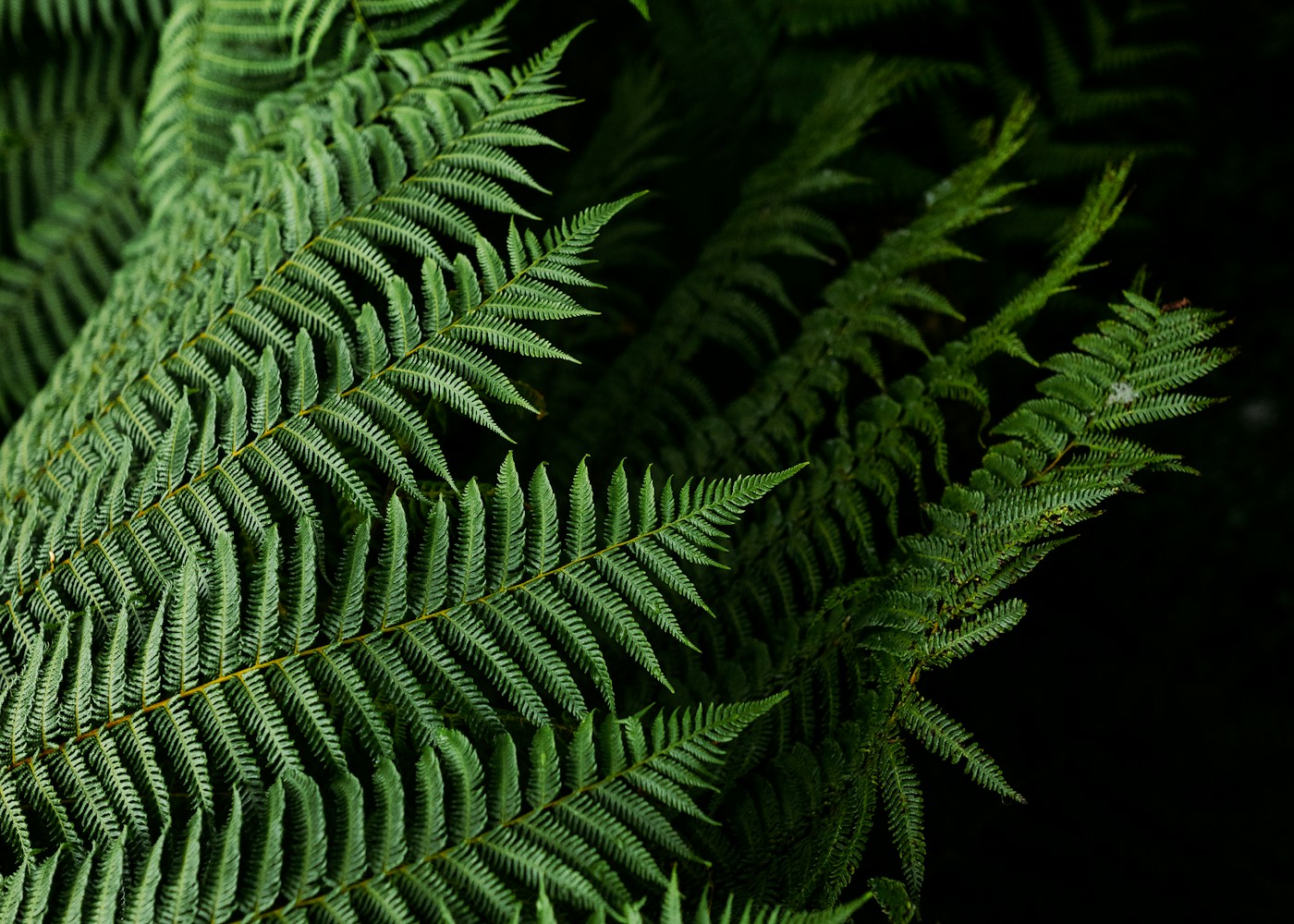
Choose contrasts that remain visible in the available light: a broad leaf beside a fine frond, an upright form beside a lower spreading one, or a few repeated shapes rather than many unrelated specimens. Leaf color is one part of the composition, but pale or variegated foliage is not automatically more shade-tolerant. Check the individual plant’s requirements. Containers and clear ground can contribute to the design without requiring additional living material in the darkest areas. A restrained palette often gives a small courtyard more coherence than a dense assortment bought solely to fill every gap.
Combine contrasting forms without choosing plants beyond their light tolerance.
Watch for slugs and other local pests
Sheltered damp places may favor slugs, but the actual problem should be identified from damage and observation. Not every hole has the same cause.
Look for the animal or evidence before choosing a control. Slug damage may be more apparent after damp nights, but leaf holes can also come from caterpillars, other insects, or physical injury. Inspect at a relevant time and use local identification guidance. Sheltered hiding places such as pot rims and accumulated debris deserve checking. Any control should fit the pest and local rules, with care around pets and wildlife. Avoid scattering products indiscriminately because the courtyard is damp. A few damaged leaves may be acceptable, while repeated loss of young growth may justify a targeted response.
Inspect at appropriate times and use locally suitable controls with care around wildlife.
Do not compensate for shade with fertilizer
Extra feed cannot supply missing sunlight. Excess growth in low light may be weak and less satisfactory.
Feed according to the plant and growing medium. A container specimen has different access to nutrients from a plant in a healthy bed, but neither can use fertilizer as a substitute for sunlight. If growth is weak and stretched, reconsider light and species choice. If a plant is healthy but flowers less than expected, investigate whether the site meets its flowering requirements before adding high-strength feed. Keep fertilizer away from drains and follow product instructions. The goal is stable appropriate growth, not forcing a shaded garden to perform like an open sunny border.
Feed according to plant needs and root conditions rather than the desire for more flowers.
Use a season as a trial
Plants reveal the site’s limits through new growth, flowering, and moisture demand. A disappointing corner may need a different plant rather than repeated treatment.
Take photographs from the same viewpoint at a few points through the growing season. Note when the courtyard feels most useful and which plants remain healthy with a manageable amount of care. Record dry pockets, wet corners, and periods when fallen leaves block drainage. Use that evidence to refine the next planting. If a particular plant repeatedly declines, replacing it with a better-suited choice is often more productive than repeating rescue treatments. A successful shaded courtyard expresses its conditions through a deliberate palette rather than hiding those conditions beneath constant new purchases.
Keep the best-performing combinations and adjust the weakest positions deliberately.
Can I grow food in a shady courtyard?
Some leafy greens and herbs may be worth a trial in brighter shade, while deep shade is much more limiting. Fruiting crops usually need stronger light to produce satisfactorily. Check the actual exposure and choose locally appropriate varieties. A small experiment provides better information than converting the whole courtyard at once. Keep edible containers away from known contamination sources, use suitable clean materials, and judge success by a realistic harvest rather than by the lushness of non-edible foliage.
Will pale leaves brighten the space?
Variegated and pale foliage can provide contrast, but those plants still have their own growing requirements. A leaf color chosen for design does not guarantee tolerance of deep shade. Some variegated plants need more useful light to maintain their characteristic appearance. Build the composition from plants suited to the site first, then use texture, leaf size, and container placement to create interest. The strongest courtyard design works with the conditions rather than continually replacing unsuitable plants.
Testing the darkest corner
Place one suitable trial plant in the proposed position and observe its new growth over an appropriate part of the season. If it steadily stretches, loses older leaves, and fails to maintain a useful shape despite appropriate moisture, the corner may be too dark for that choice. Do not keep feeding it more heavily in pursuit of the original design. Try a better-suited plant if local guidance supports one, or leave the area as clear space. A courtyard can feel complete without living foliage occupying every recess, and accepting the darkest position can improve the whole composition.
Further reading
Horticultural references for continued learning: